
The ability of electrical equipment to withstand a short-circuit event is one of the most critical parameters for the safety of low-voltage installations. These tests simulate the most severe fault conditions—where two conductors at different potentials come into direct contact—to verify that protective, switching, and distribution devices can withstand the electrodynamic and thermal stresses without posing a risk of fire, explosion, or electric shock.
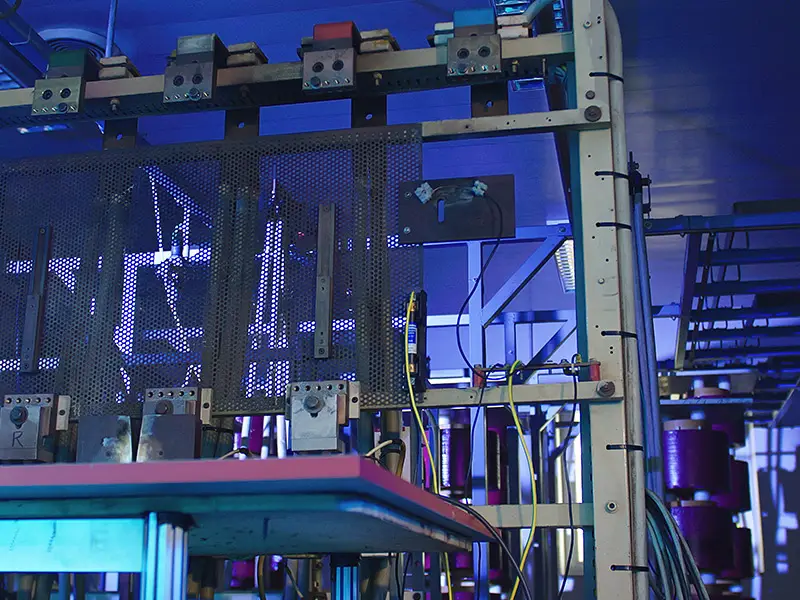
INTEK S.p.A., an independent testing and measurement laboratory founded in 1994, has advanced infrastructure specifically dedicated to high-energy testing. Thanks to its ACCREDIA accreditation (No. 00855) and collaboration with prestigious international institutes such as ACAE/LOVAG, INTEK is a cornerstone in electrical safety testing. The use of proprietary technologies and the technical team’s thirty years of experience guarantee manufacturers traceable measurements and authoritative test reports for global product certification.
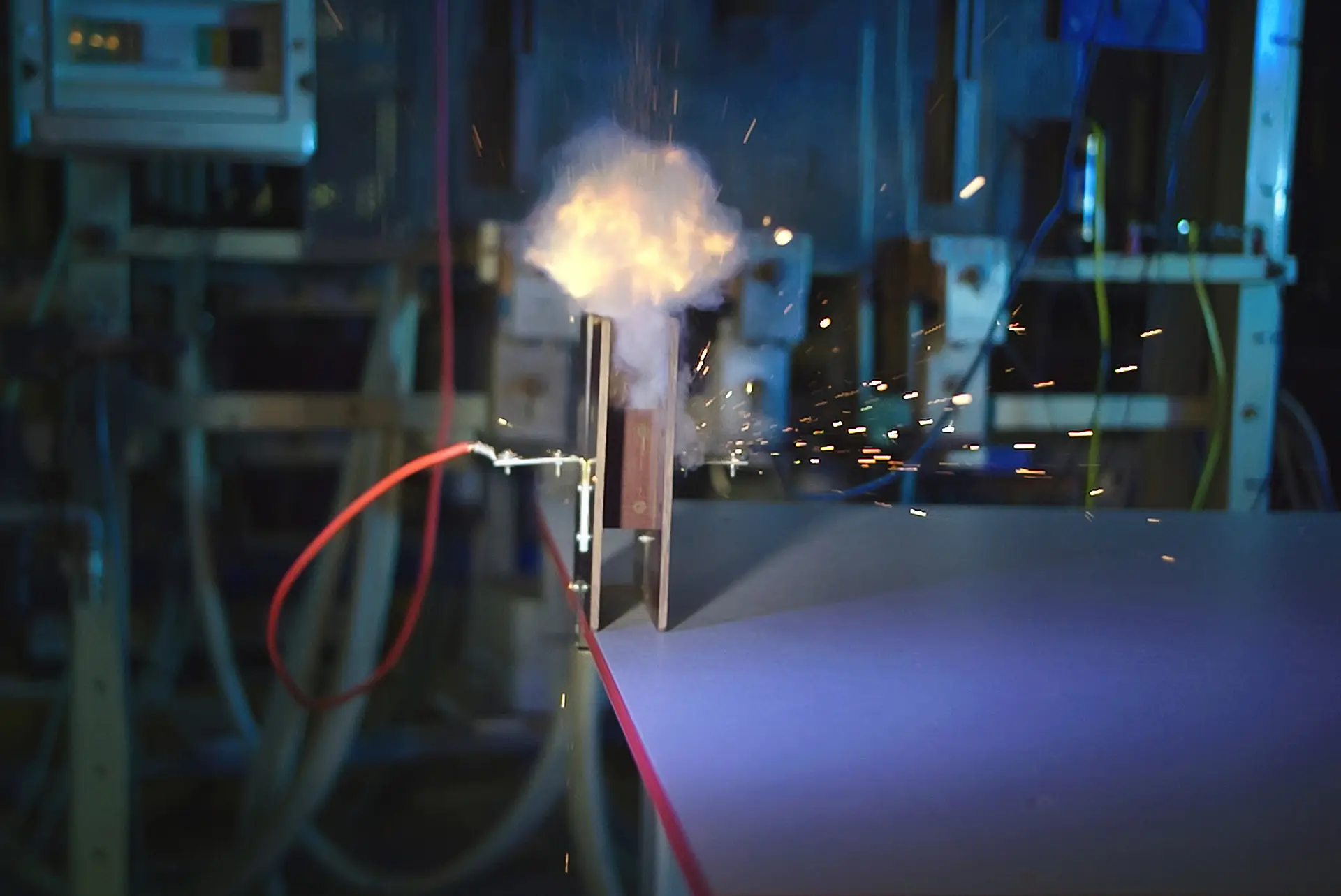
The validation of a high-power component requires an experimental simulation that faithfully reproduces the energy released during a real-world fault on the power grid. By applying high currents in fractions of a second, it is possible to observe the mechanical response of the support structures and the effectiveness of the electric arc quenching systems. This laboratory approach is not limited to verifying compliance but provides designers with objective data on the dynamic behavior of materials, allowing them to optimize safety margins and prevent catastrophic accidents in the target installations.
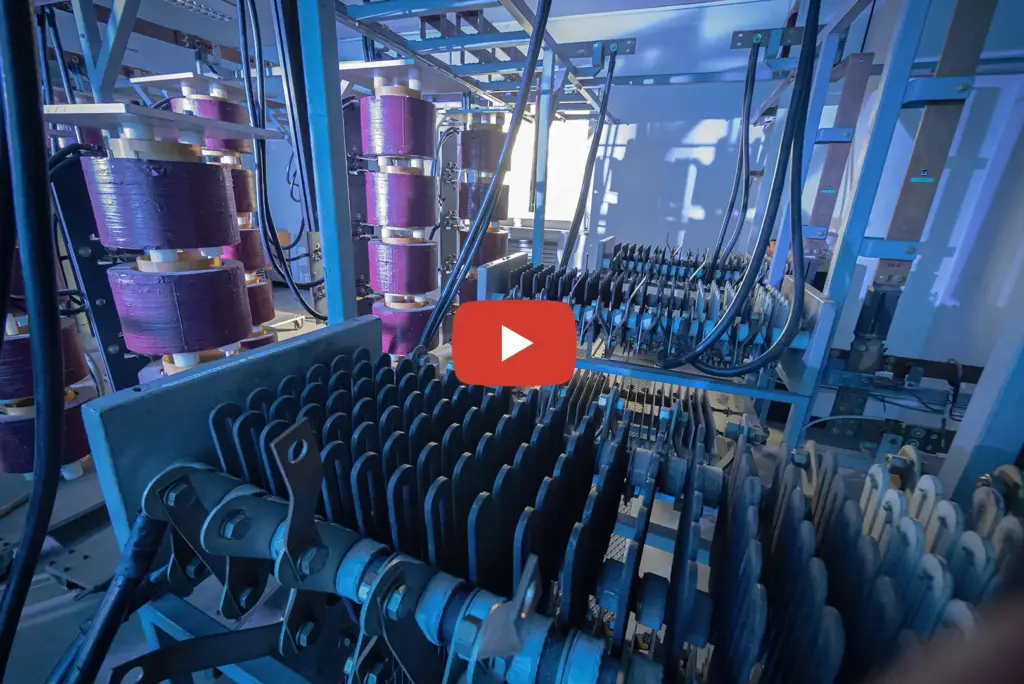
The video illustrates the operational phases of a short-circuit test, highlighting the technological complexity required to manage and measure ultra-high-energy events in fractions of a second:
Dynamic Behavior: observation of the mechanical response and electrodynamic stresses acting on components during the current peak.
Electric Arc Management: verification of the effectiveness of arc suppression systems and the enclosure’s ability to contain the released energy without failure.
Rapid Acquisition: monitoring of energy transients via synchronized digital measurement chains with high sampling frequencies.
Integrity Verification: Post-test analysis of the stability of insulating supports and the continued compliance with safety requirements following extreme stress.
The INTEK laboratory performs type tests and short-circuit resistance tests in accordance with the main international standards for the industrial, civil, and energy sectors:
Below is a complete table of all standards we handle and the corresponding tests that can be performed in the laboratory. The table allows you to quickly filter standards by code or test type.
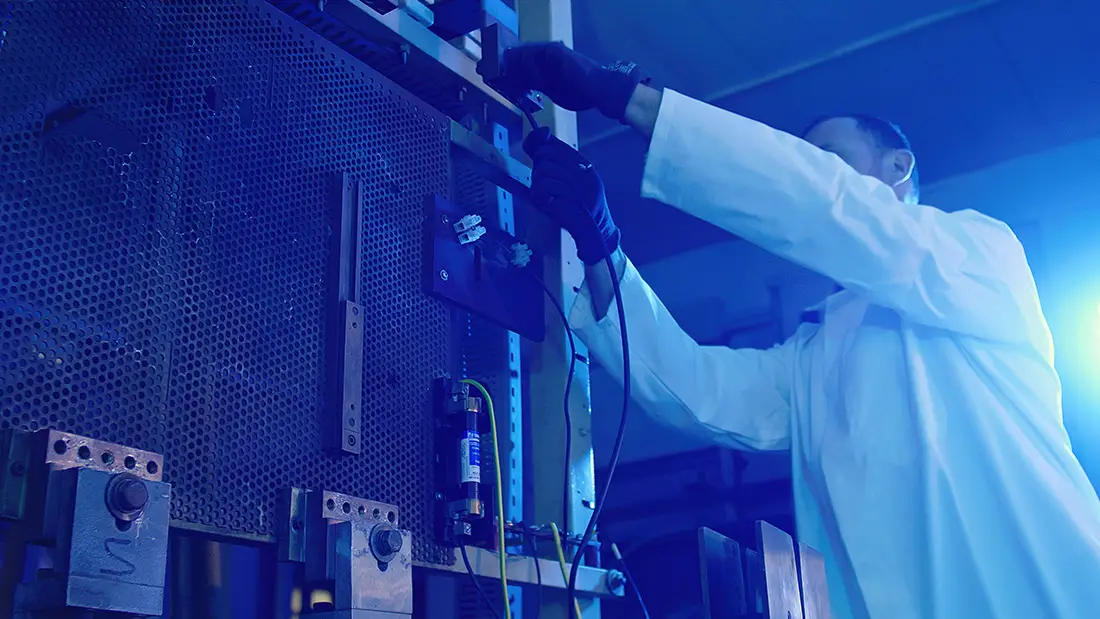
| Reference standard | Test Description |
|---|---|
| Prove di corto circuito | fino a 20 kA 3F+N 480 Vac fino a 10kA 800 Vac fino a 5 kA 1000 Vdc |
| Prove di prestazione in corto circuito secondo: | EN 60947-1 e parti 2 EN 60898 EN 61008 EN 61009 |
| Prove del potere di chiusura ed interruzione: | EN 60947-1 e parti 2 con forti correnti |
| Esecuzione prove speciali secondo capitolati cliente o enti terzi | |
| Misure sperimentali su componenti | |
| Generazione di campi magnetici anche in forma impulsiva |
A visual overview of the test cells, measurement instrumentation, and power transformer that make INTEK a center of excellence for validating electrical safety and short-circuit withstand capability.
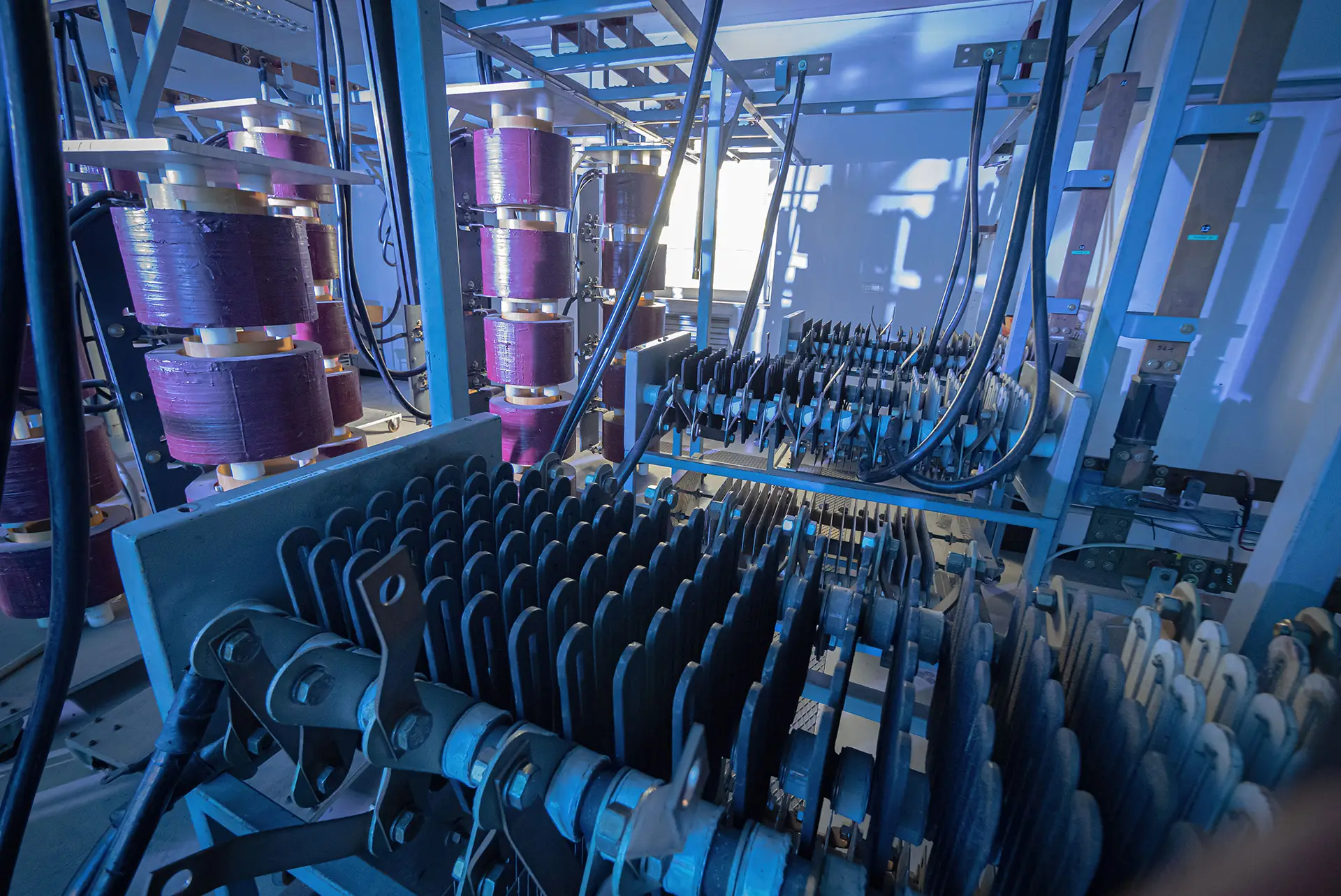
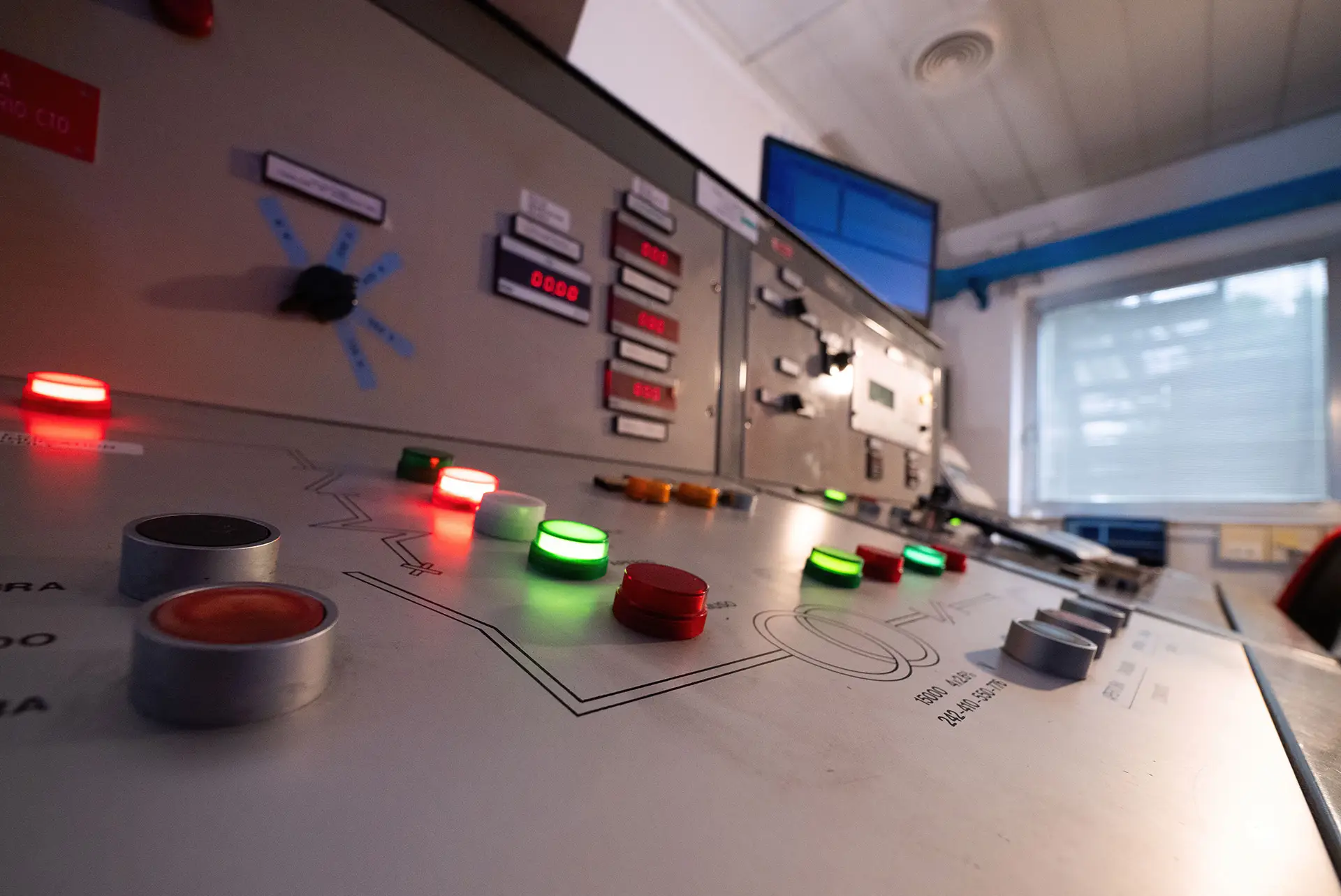
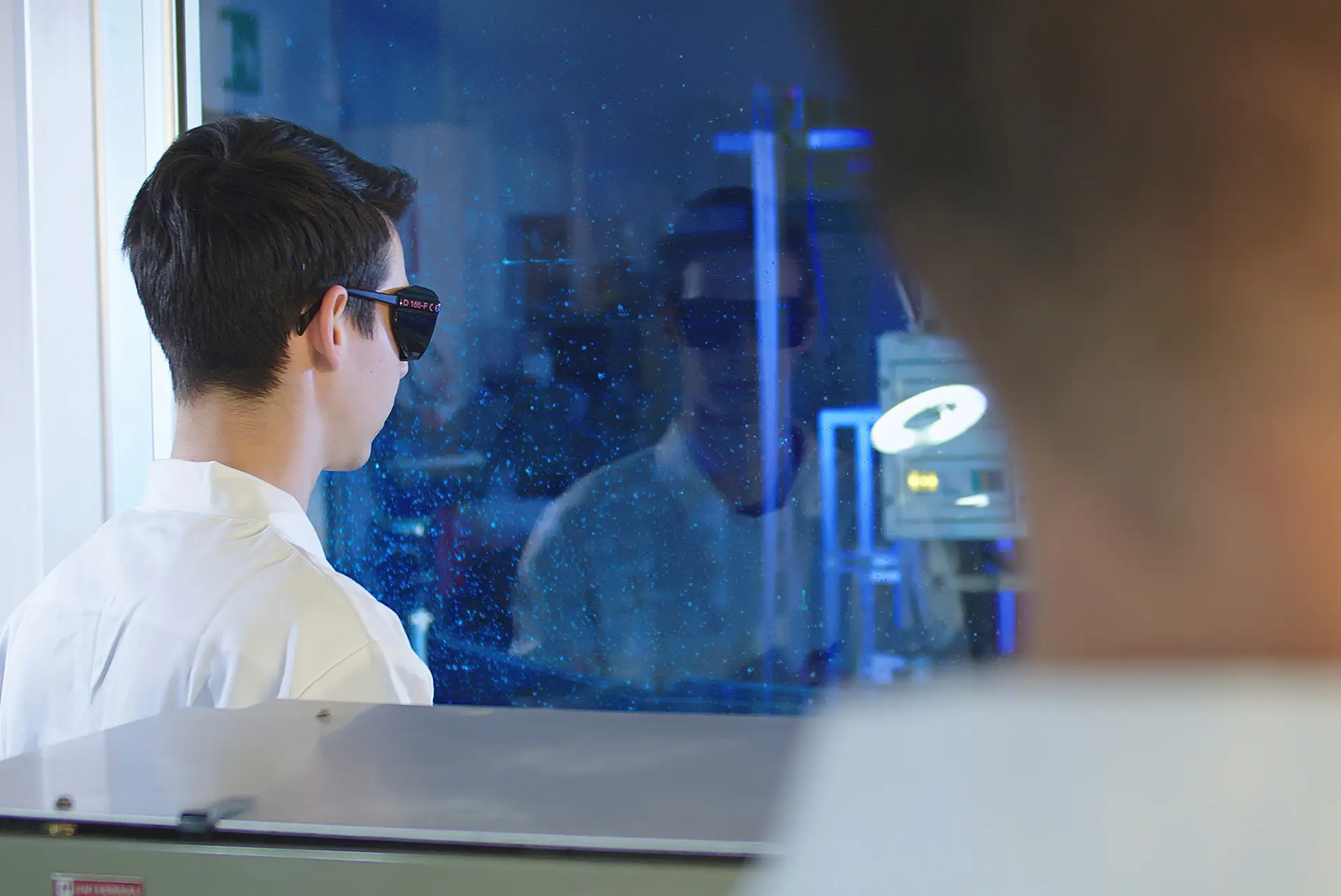
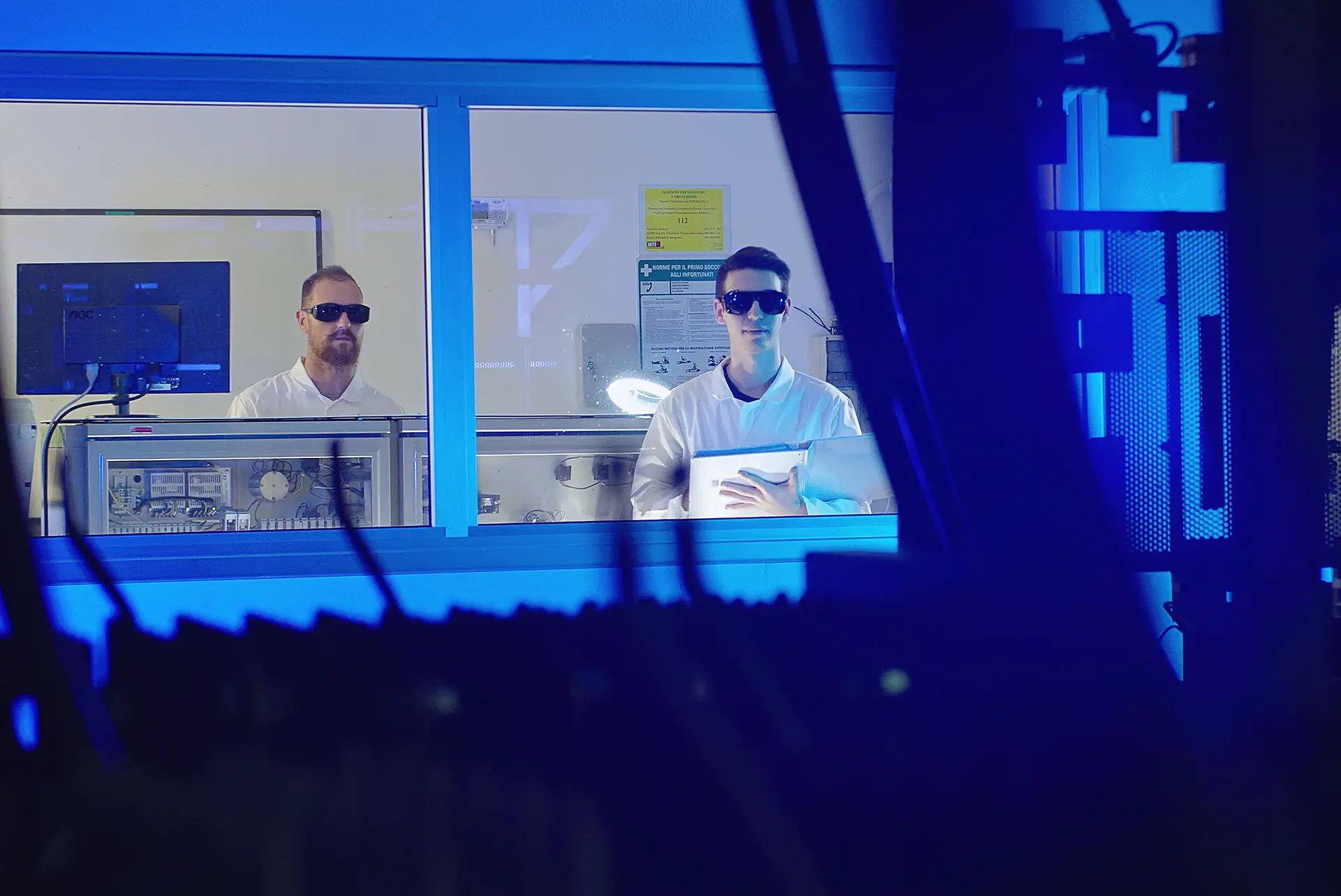

INTEK’s strategic asset in the high-power sector is a dedicated power supply system based on a 7.5 MVA transformer. This infrastructure enables the generation of stable and controlled energy stresses, necessary for the qualification of large components.
The laboratory is capable of delivering:
The wide range of voltage and current covers virtually all low-voltage applications, from small DIN-rail components to complex industrial distribution panels.
Validating phenomena characterized by high dI/dt requires superior metrological precision. INTEK has evolved its measurement systems to offer granular analysis of impulse events:
At INTEK laboratories, it is also possible to perform electrical safety and low-voltage (LVD) tests.
It is the verification of a circuit breaker’s ability to make or break a short-circuit current without sustaining permanent damage that compromises its safety.
It ensures the stability of test parameters and provides sufficient power capacity to maintain voltage during current peaks, ensuring that the test meets the most stringent requirements of international standards.
Yes, thanks to INTEK’s new synchronized monitoring system, it is possible to analyze the immediate thermal impact that a fault current has on conductive and insulating parts.
Yes. The high-power system also supports experimental measurements of pulsed magnetic fields for specialized applications.
Download the service brochure INTEK Short-Circuit Testing for Electrical Safety and High Power Applications.
INTEK supports the customer at every stage of the process: preliminary analysis, selection of standards, development of the test plan, execution of tests, and preparation of technical documentation.
Contact us for technical advice or a customized quote.