
Fire risk assessment is an essential requirement for the safety of electrical and electronic equipment. The Glow-Wire Test and related heat and fire resistance tests are used to simulate thermal stresses caused by heat sources or overloads, verifying the ability of plastics and insulating materials to prevent ignition or to self-extinguish rapidly.
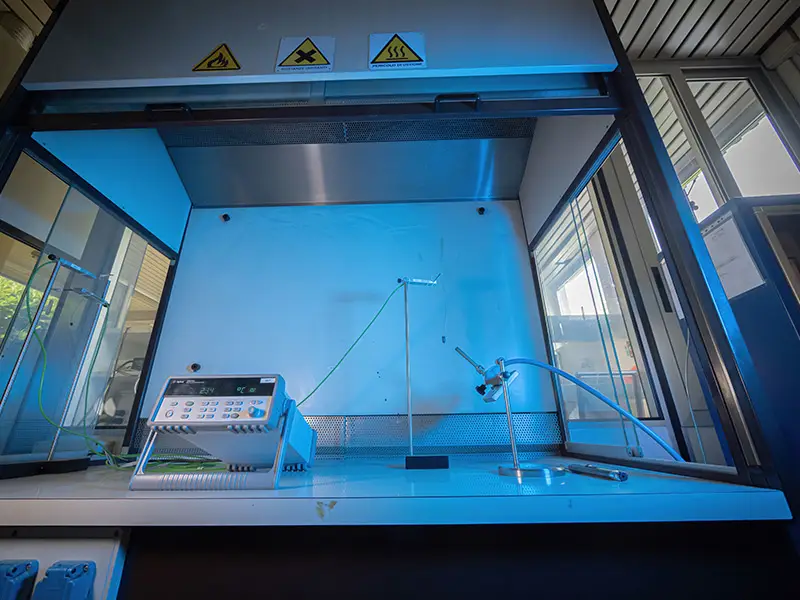
INTEK S.p.A., an independent testing laboratory founded in 1994, operates as a leading technical partner in the characterization of insulating materials. Thanks to ACCREDIA accreditation (No. 00855) and precision metrological instrumentation, INTEK supports manufacturers in selecting suitable polymers and validating finished products in accordance with the Low Voltage Directive (LVD) and major international safety standards.
Fire risk prevention requires a deep understanding of how insulation materials react to extreme temperatures. In the laboratory, experimental simulation allows us to observe not only the ignition of the flame but also its propagation and any dripping of molten material, which could spread the fire to surrounding areas. Through the use of standardized protocols, INTEK technicians are able to precisely determine the thermal criticality thresholds of each material, providing designers with objective evidence essential to ensuring that, in the event of an electrical failure, the device does not pose a hazard to the user or the environment.
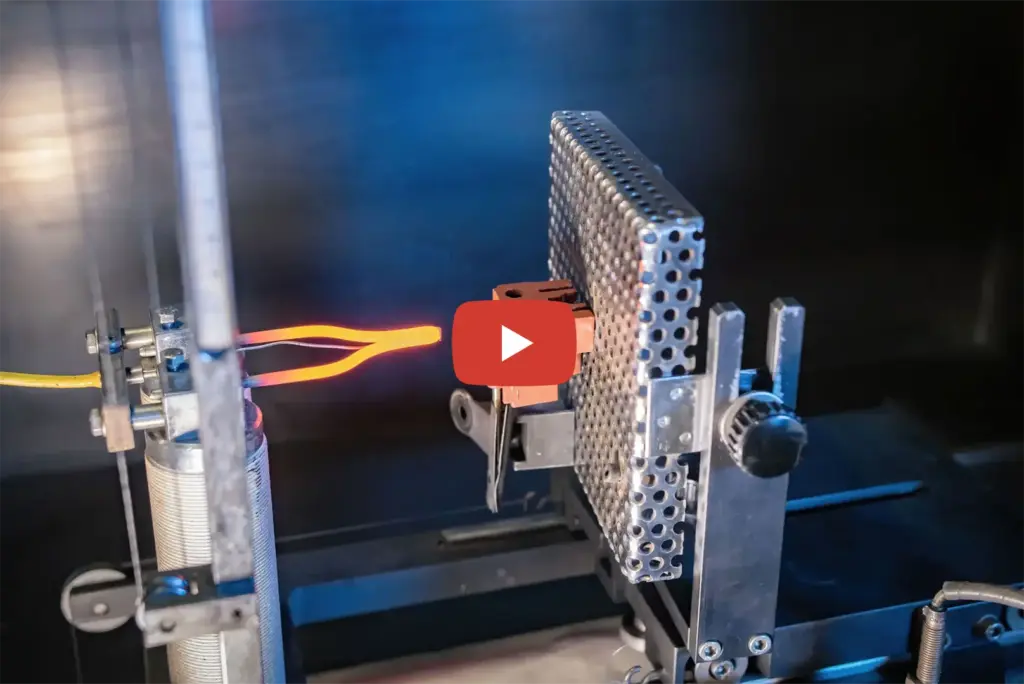
The thermal properties of polymers are critical to ensuring the safety and mechanical stability of electrical components. In this video, we demonstrate how INTEK laboratories conduct heat resistance tests, simulating the prolonged thermal stress and overload conditions to which insulating materials are subjected.
Why test thermal stability at INTEK:
Structural integrity: we verify that polymers maintain their shape and mechanical properties at high temperatures.
LVD and IEC compliance: We ensure compliance with the Low Voltage Directive and international standards.
Failure prevention: We analyze the behavior of insulators to eliminate risks of fire or deformation.
R&D validation: We provide objective technical data to aid in material selection during the design phase.
The INTEK laboratory performs fire and heat resistance tests in strict accordance with the methodologies described in the IEC/EN 60695 series and other industry standards:
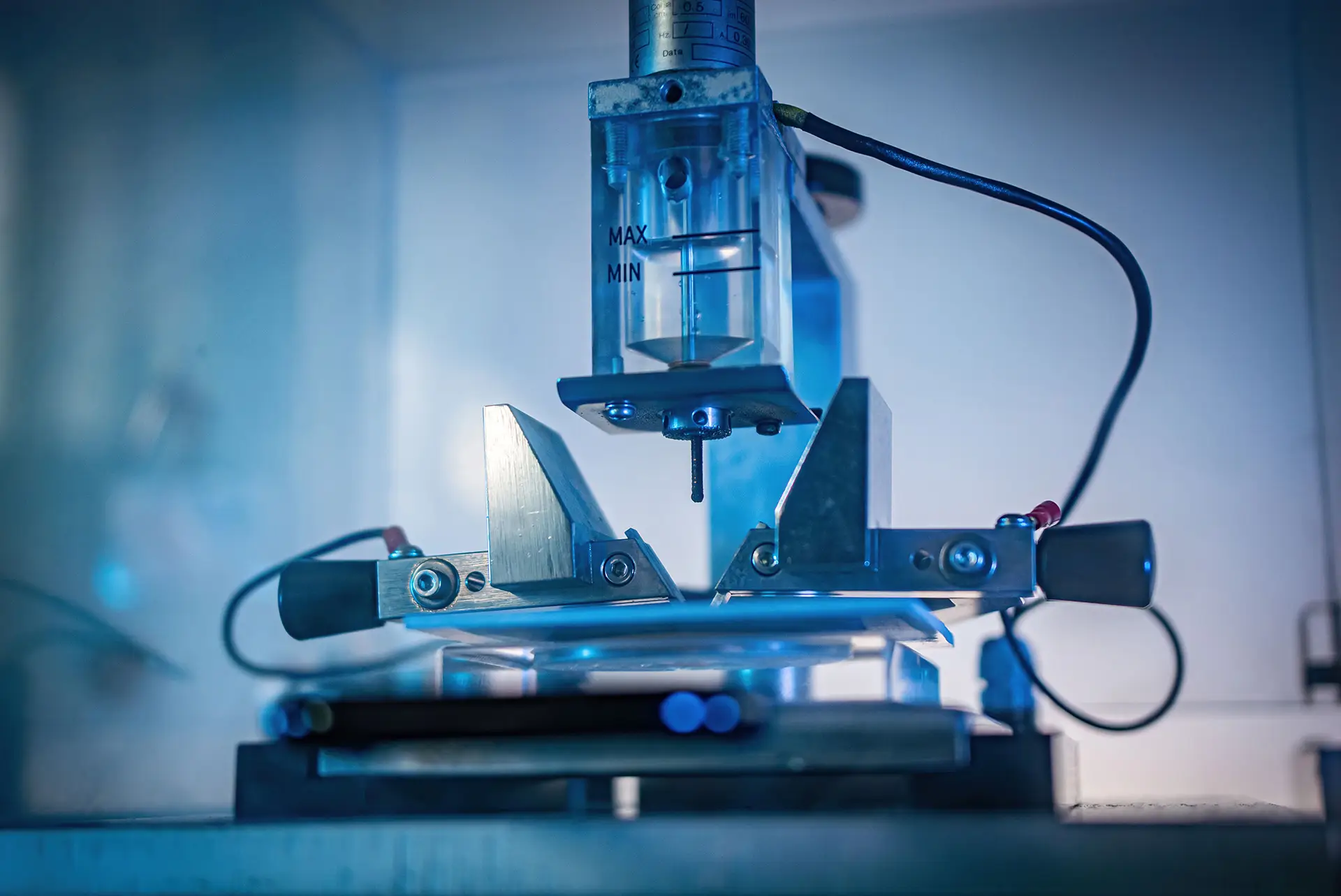
The core operations of INTEK’s materials safety laboratory focus on four main technical areas to determine the thermal reliability of polymers.
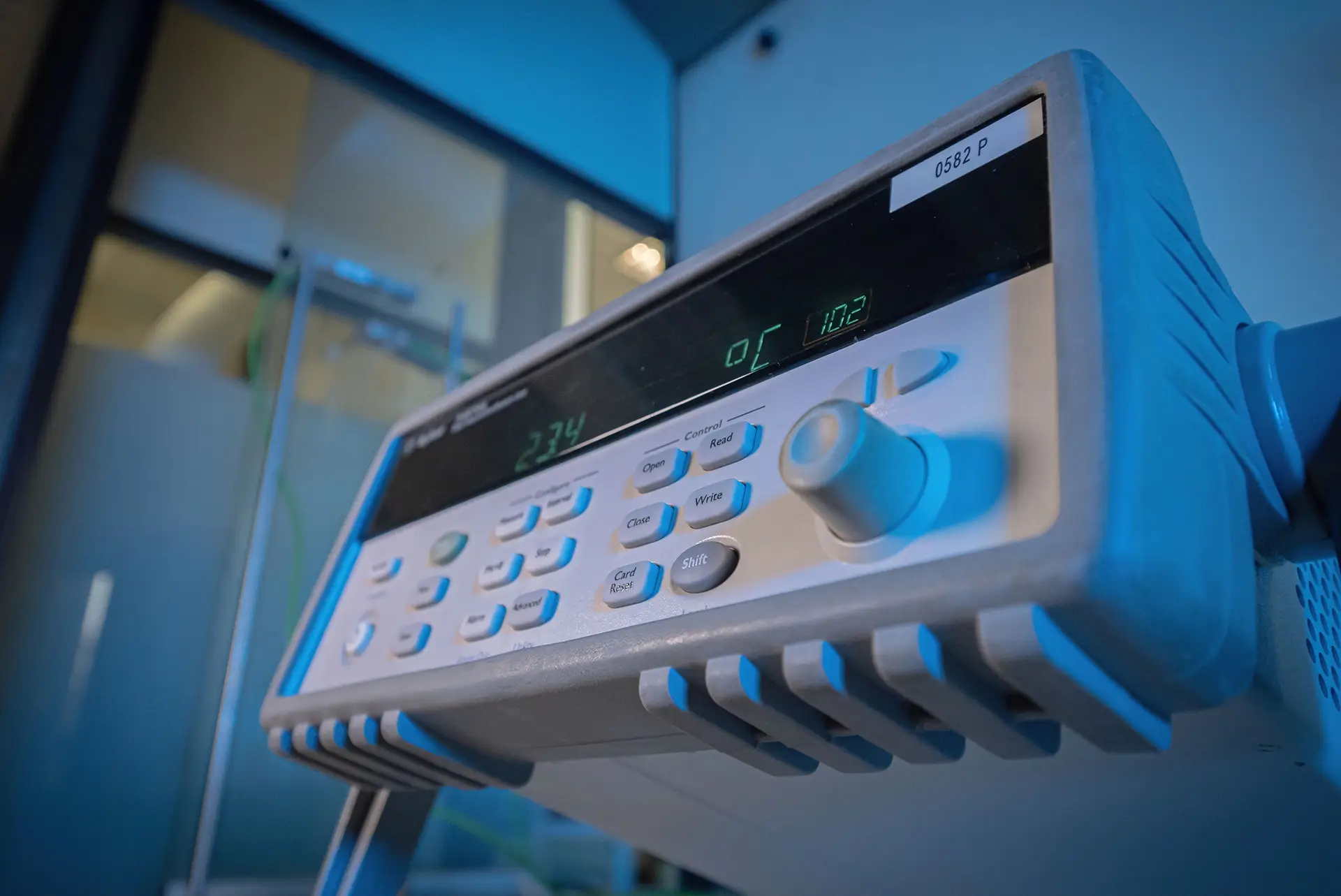
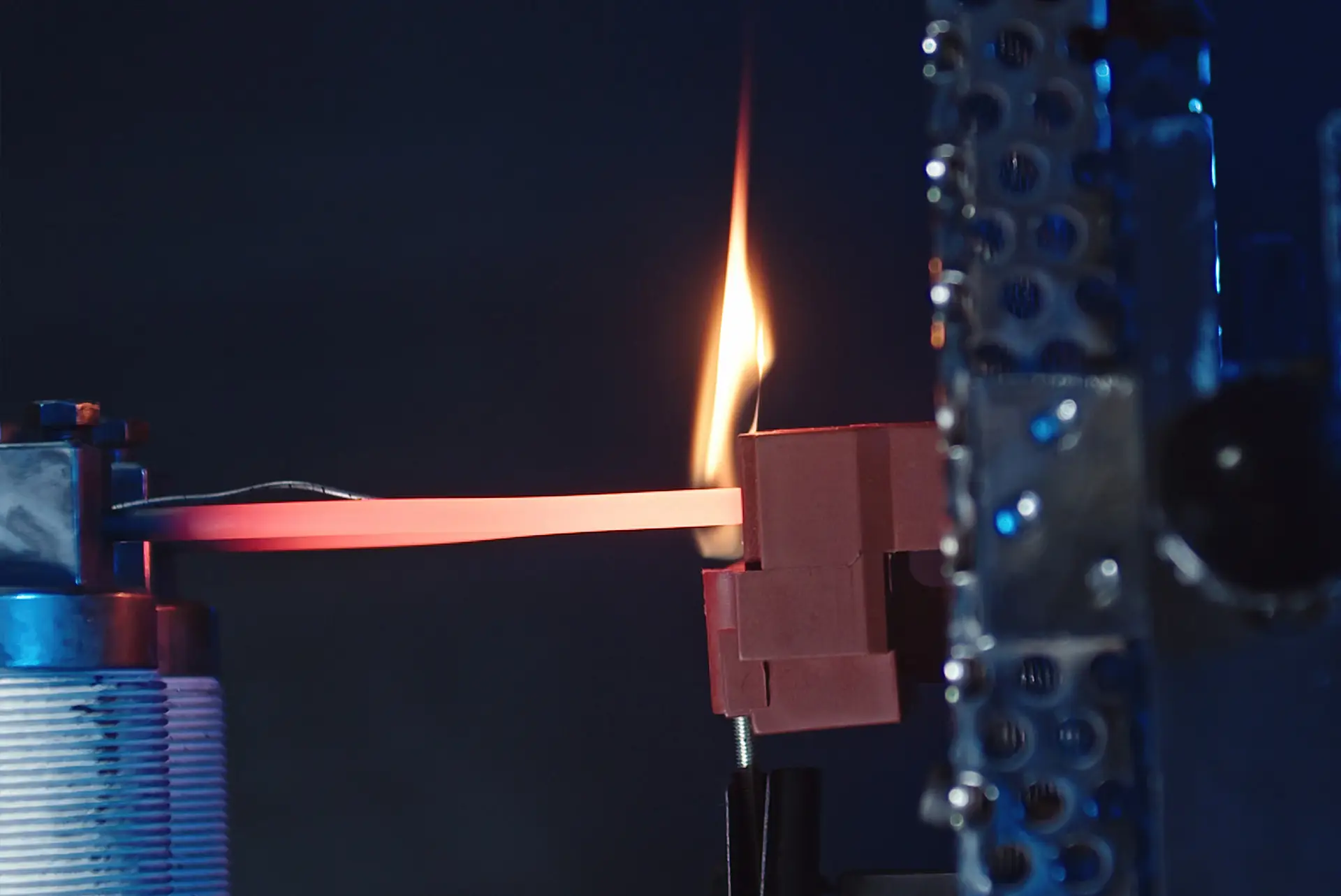
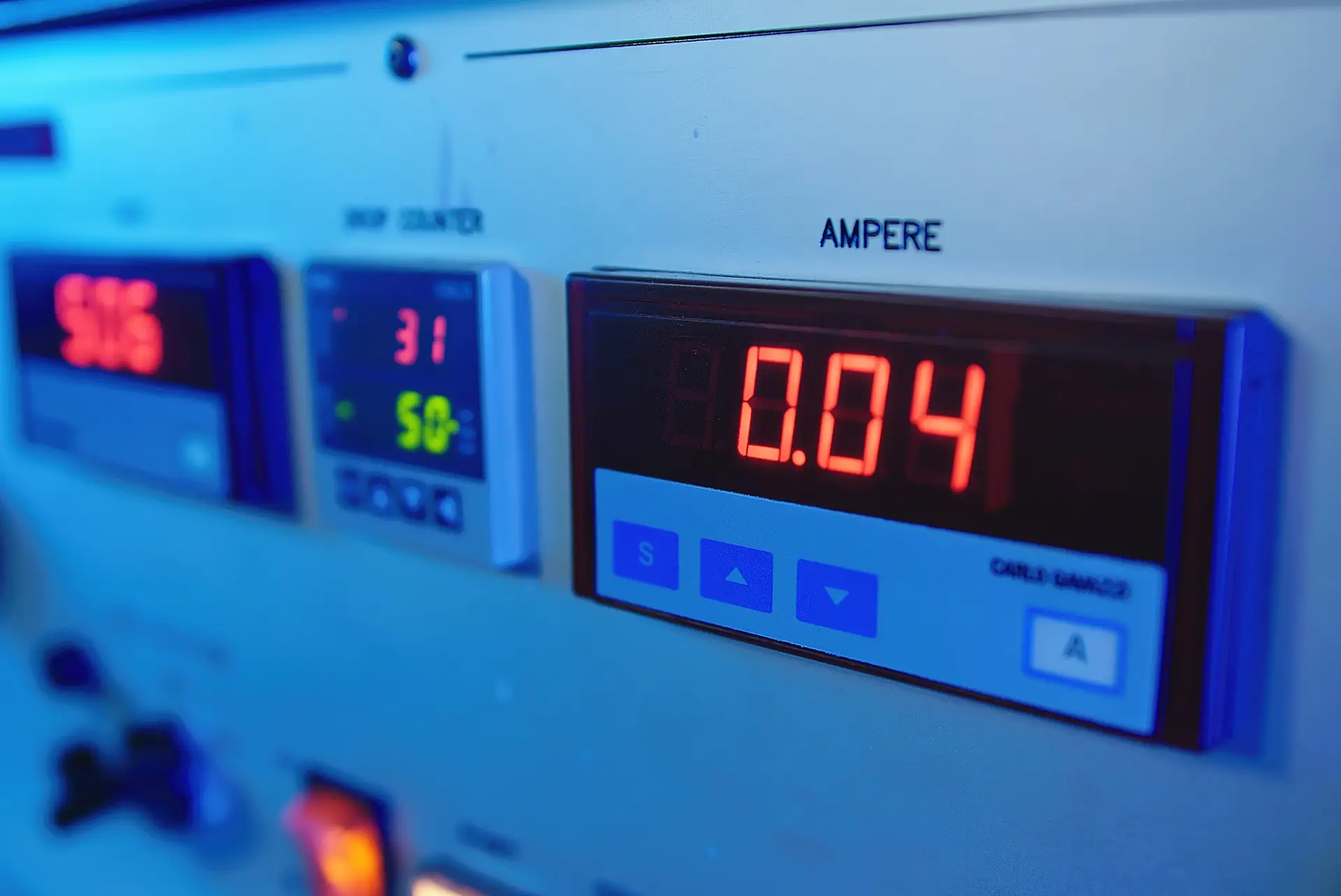
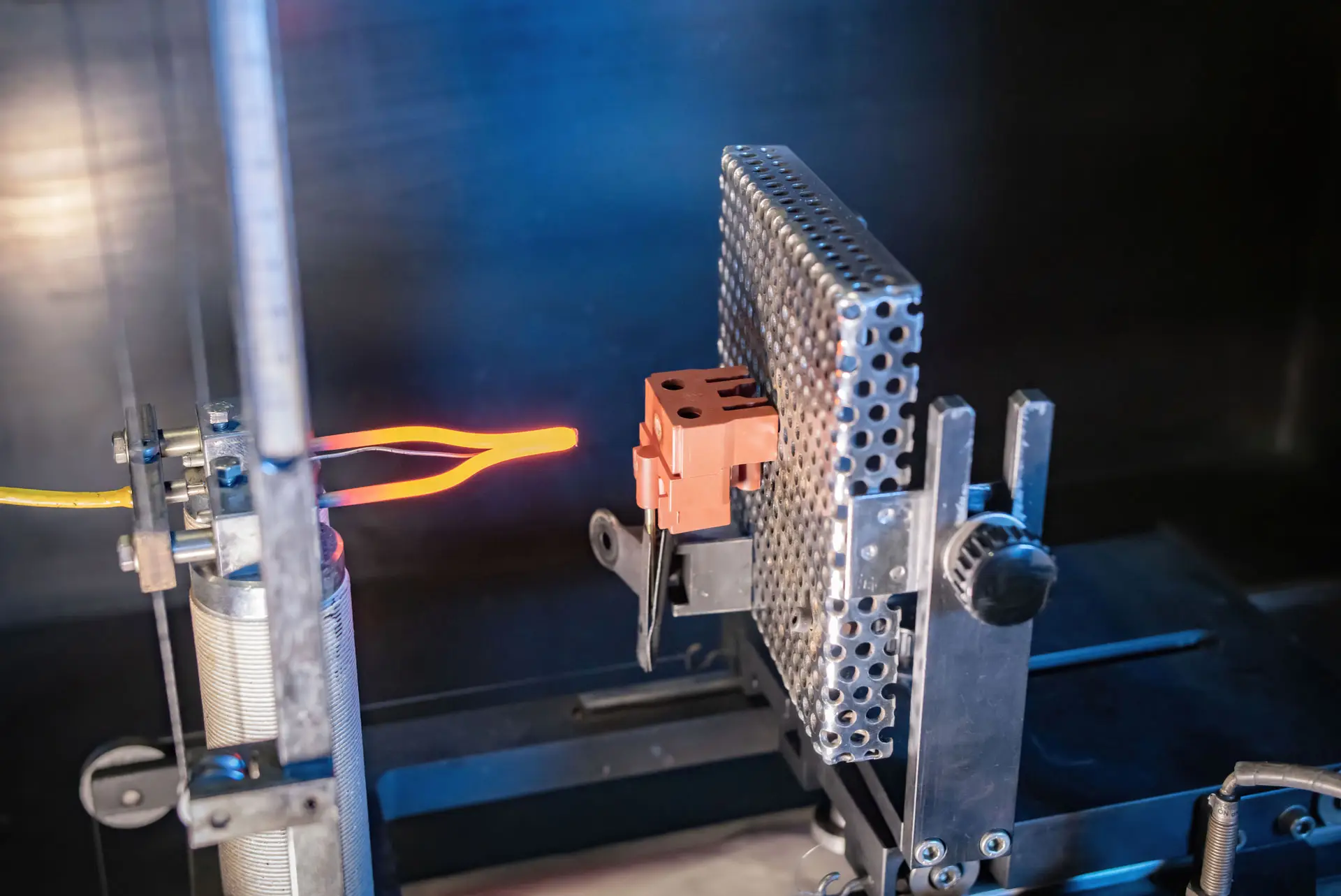
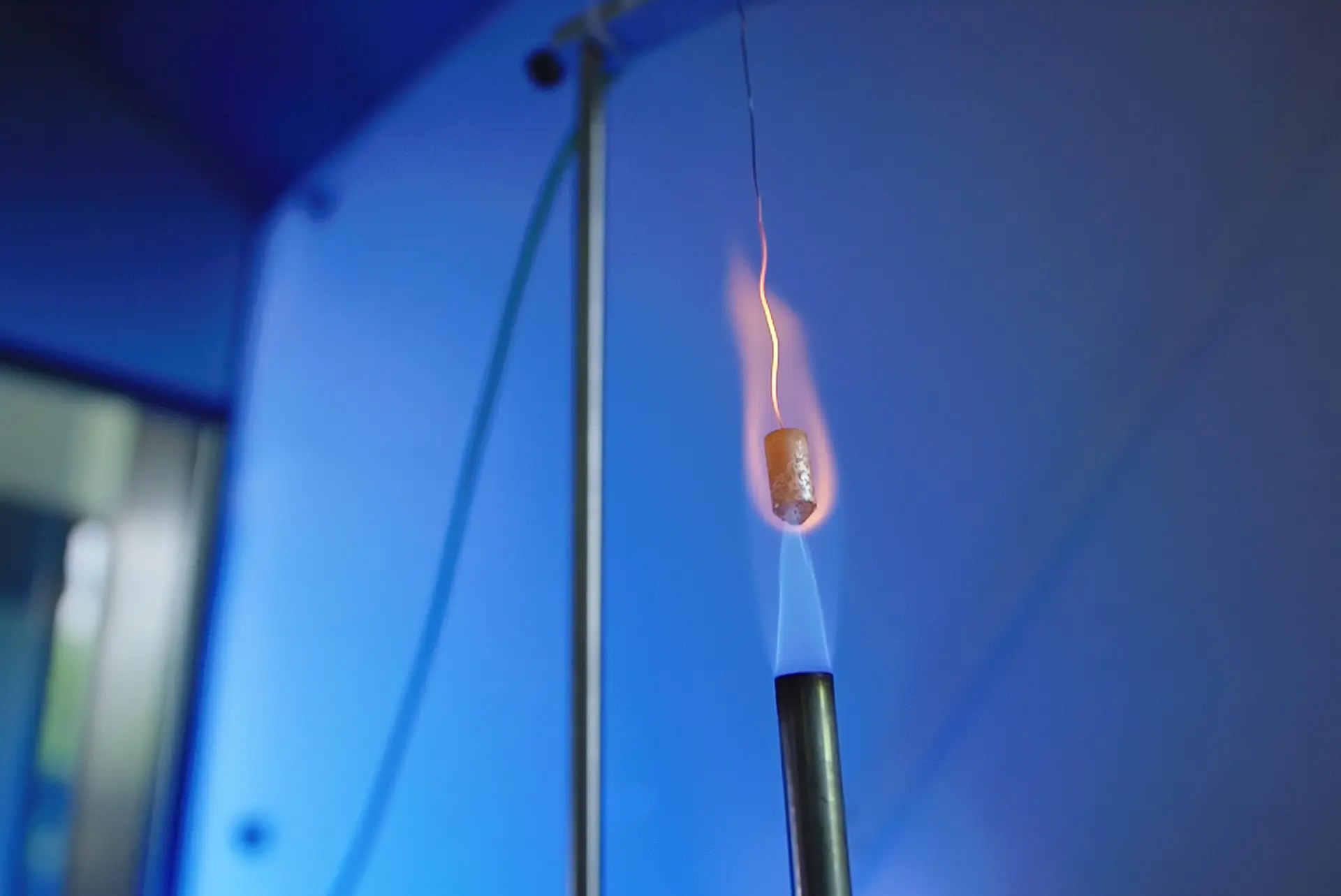
The core operations of INTEK’s materials safety laboratory focus on four main technical areas to determine the thermal reliability of polymers.
These tests determine the maximum temperature at which a material is capable of self-extinguishing (Index) or the temperature at which ignition does not occur (Ignition Temperature). These are critical parameters for the classification of plastics used in household appliances, electrical panels, and wiring harnesses.
By simulating flames caused by internal failures, we evaluate resistance to fire spread. The needle flame test, for example, simulates the effect of an overheated component that produces a small, localized flame.
This test verifies the dimensional stability of the insulating material at operating temperatures. A material that yields under pressure at high temperatures is not suitable for supporting live parts, as it could cause short circuits or direct contact.
We evaluate the tendency of insulating materials to form conductive paths on the surface due to moisture and contamination. Determining the Comparative Tracking Index (CTI) is essential for defining creepage distances in the design of circuit boards and connectors.
In addition to heat resistance testing, INTEK also performs vibration testing on devices by simulating real-world operating conditions.
The GWFI (Flammability Index) indicates the temperature at which the material self-extinguishes within 30 seconds of wire removal; the GWIT (Ignition Temperature) is the temperature 25°C higher than the maximum temperature at which the material does not ignite for more than 5 seconds.
Because electrical insulation must maintain its mechanical rigidity even under thermal stress. If the material softens excessively, live parts could shift, compromising the safety of the entire device.
It refers to the formation of a conductive path on the surface of an insulator due to electrical degradation. A high CTI value indicates that the material is highly resistant to surface arcing, making it safer in damp or dusty environments.
Download the service brochure Glow-Wire Test e Prove di Resistenza al Calore di INTEK.
INTEK supports the customer at every stage of the process: preliminary analysis, selection of standards, development of the test plan, execution of tests, and preparation of technical documentation.
Contact us for technical advice or a customized quote.