
The INTEK laboratory performs vibration tests designed to evaluate the behavior of components under dynamic stress. Specifically, by simulating critical operating conditions and extreme stresses, we verify the integrity of devices to prevent structural damage and ensure maximum compliance before market release.
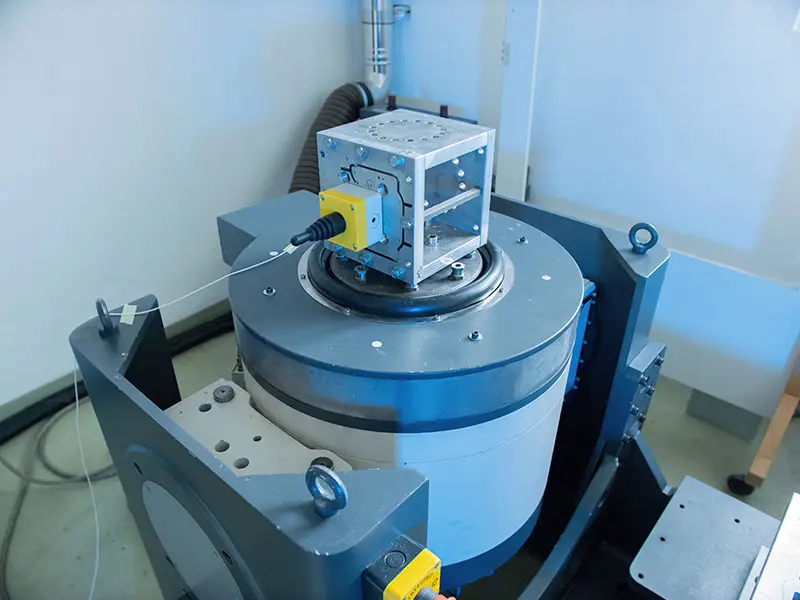
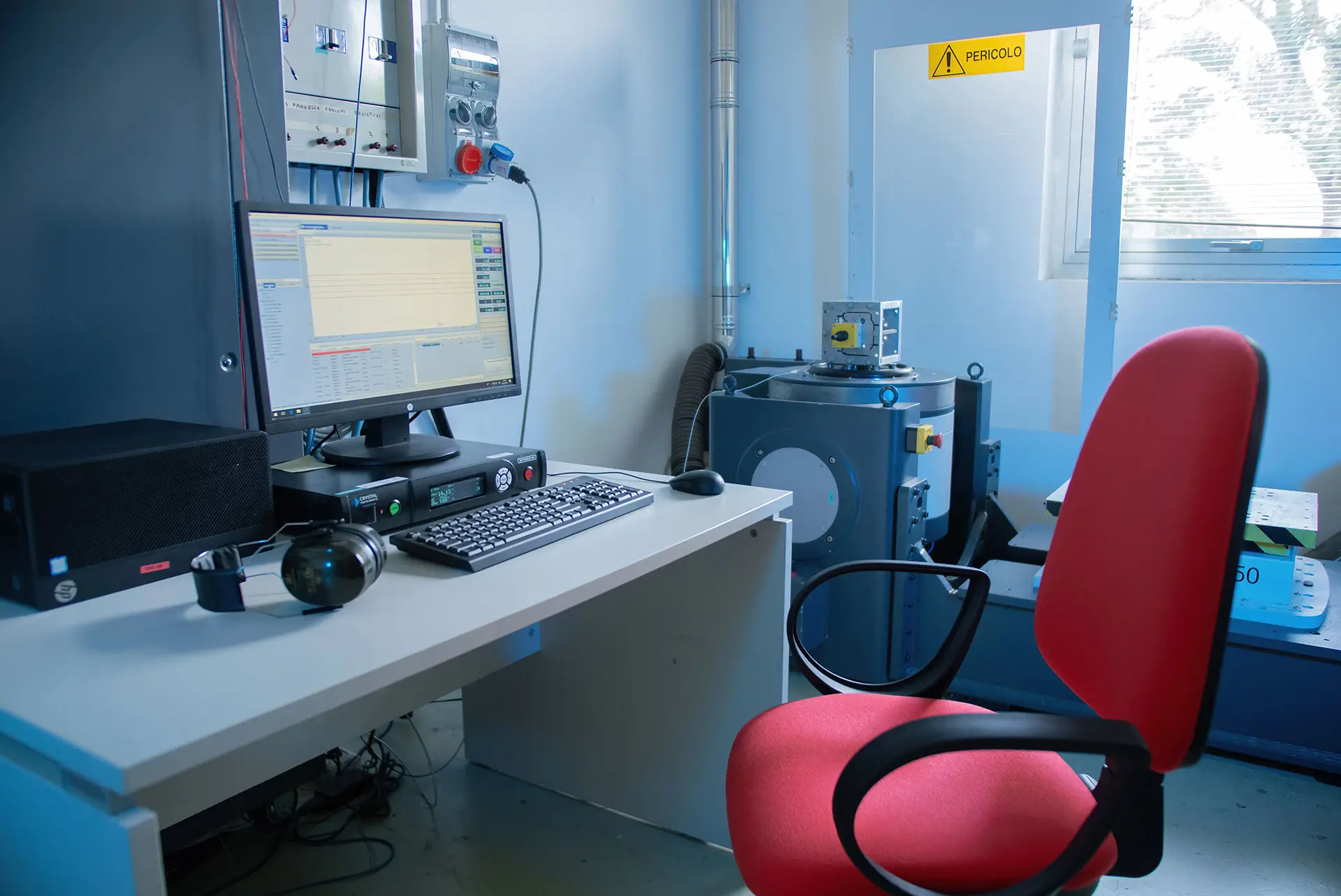
INTEK, an independent laboratory active since 1994, offers a comprehensive service for conducting vibration testing: regulatory support in defining the qualification process, test planning, testing in an ACCREDIA accredited laboratory, and assistance in preparing technical documentation. State-of-the-art infrastructure—including 10 kN electromagnetic shakers and high-speed video analysis systems—combined with the technical team’s decades of experience, makes INTEK a preferred technical partner for companies operating in the automotive, railway, marine, electronics, and industrial automation sectors.
Mechanical stresses and vibrations are among the factors that most significantly affect the operational durability and long-term reliability of industrial components. Within the INTEK laboratory, testing allows us to study the behavior of materials and electronic connections under stress, helping prevent structural failures during operation.
Using high-precision excitation systems, we accurately reproduce various types of stress based on the final application:
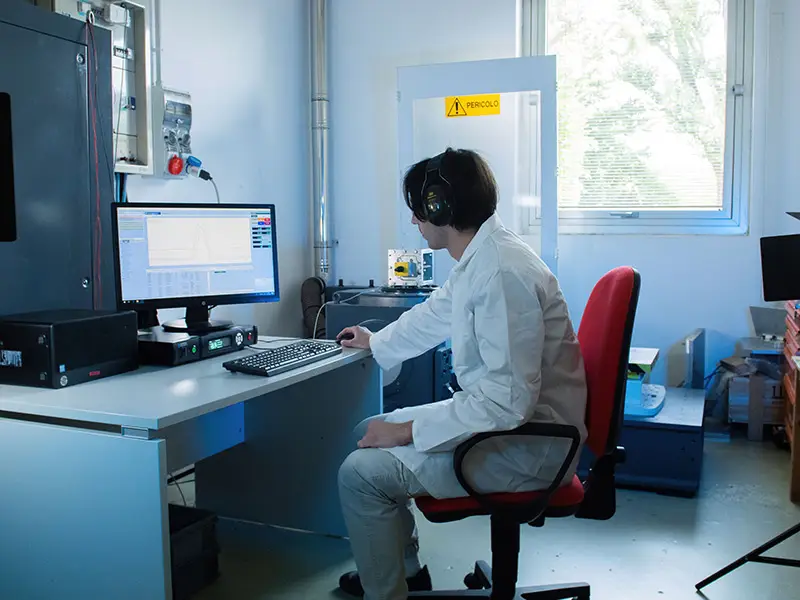
Throughout the entire testing process, our technicians monitor the sample’s dynamic responses, identifying with extreme precision functional anomalies, harmful resonances, and micro-damage that could compromise the product’s compliance.
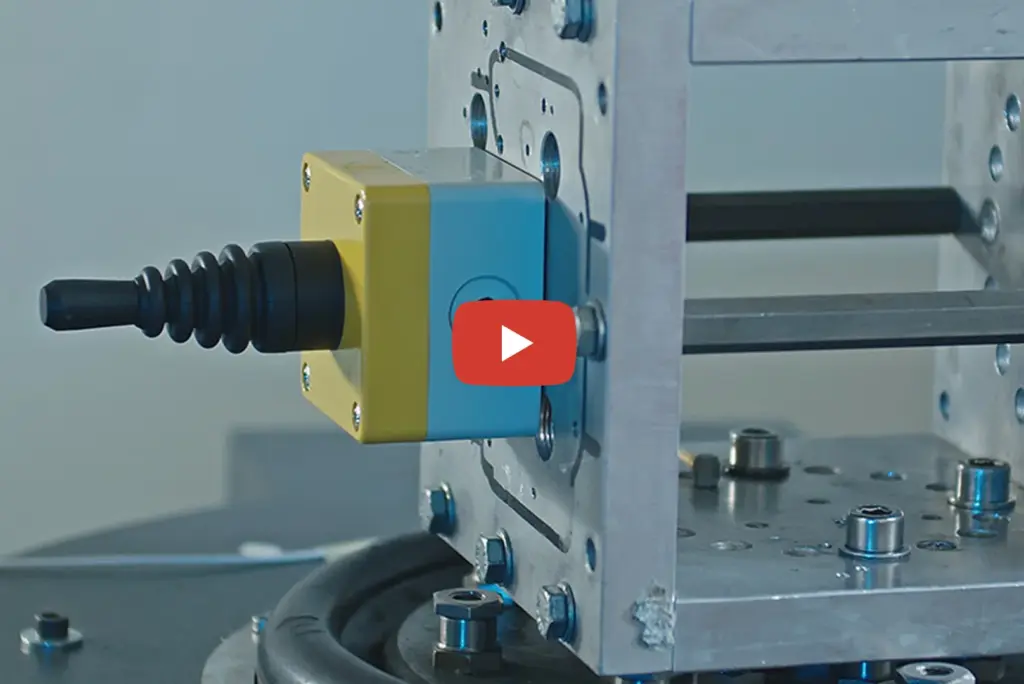
To ensure unparalleled precision, INTEK utilizes a high-level technological infrastructure, including high-speed excitation and monitoring systems.
For the detailed study of mechanical phenomena, we use the sophisticated Phantom MiroLab110 video camera:
Specific international standards govern the vibration and shock tests performed by INTEK to ensure product compliance and safety. Our laboratory is ACCREDIA accredited to perform tests in accordance with major industry standards:
| Reference standard | Test Description | Materiale / Prodotto |
|---|---|---|
| EN 50155 | § 12,2,11 Vibration, shock and bump test | Equippaggiamenti elettronici su materiale rotabile |
| IACS Req. 1991 Rev.6:2014 Sec. E10 | SECTION E10 n° 7 Vibration | Apparecchiature navali |
| IEC 60068-2-6 | Prova Fc:Vibrazioni (sinosuidali) Capability 5-2000Hz | Componenti - apparecchiature - manufatti |
| IEC 60068-2-27 | Prova Ea e guida:Urti Capability shock max acceleration 80gn | Componenti - apparecchiature - manufatti |
| IEC 60068-2-64 EN 60068-2-64 | Prova Fh: Vibrazioni aleatorie a larga banda e guida | Componenti - apparecchiature - manufatti |
| IEC 60571 | §12,2,12 Vibration, shock and bump test | Equippaggiamenti elettronici su materiale rotabile |
| IEC 60947-1+A1+A2 EN 60947-1+A1+A2 | ANNEX Q - TAB Q,1 1 Resistenza di isolamento prima delle prove e dell'ispezione visiva 2 prova alle vibrazioni 3 prova agli urti | Apparecchiature a bassa tensione |
| IEC 60947-5-1+A1 EN 60947-5-1+A1+AC | Annex J § 8,4 scosse e vibrazioni | Apparecchiature a bassa tensione |
| IEC 61373:2010+Ec1:2011 EN 61373:2010 | Prove d'urto e vibrazioni Shock capability max acceleration 80gn Vibration capability 5-2000Hz | Equippaggiamenti elettronici su materiale rotabile |
| IEC 61496-1 EN 61496-1 | § 5,4,4,1 Vibrazioni § 5,4,4,2 Urti | Sicurezza del macchinario - Apaprecchi elettrosensibili di protezione |
| IEC 61800-2 EN 61800-2 | § 5,4,7,5 Vibration § 5,4,7,6 Shock | Azionamenti a velocità variabile |
| IEC 61800-5-1+A1 EN 61800-5-1+A1 | § 5,2,6,4 prova alle vibrazioni | Azionamenti a velocità variabile |
| Lloyd's Register Type Approval System Test Specification Number 1:July 2015 | Type Tests § 12 Vibration test 1, § 13 Vibration test 2, § 32.2 Extreme vibration | Apparecchiature navali |
| RINA RULES 2018 | Type Tests § Pt C, Ch 3, Sec 6 - tests n° 7 Vibration | Apparecchiature navali |
The high-performance technologies and shakers used by INTEK for dynamic testing, along with state-of-the-art instrumentation, ensure maximum precision in validating the durability and reliability of every component.

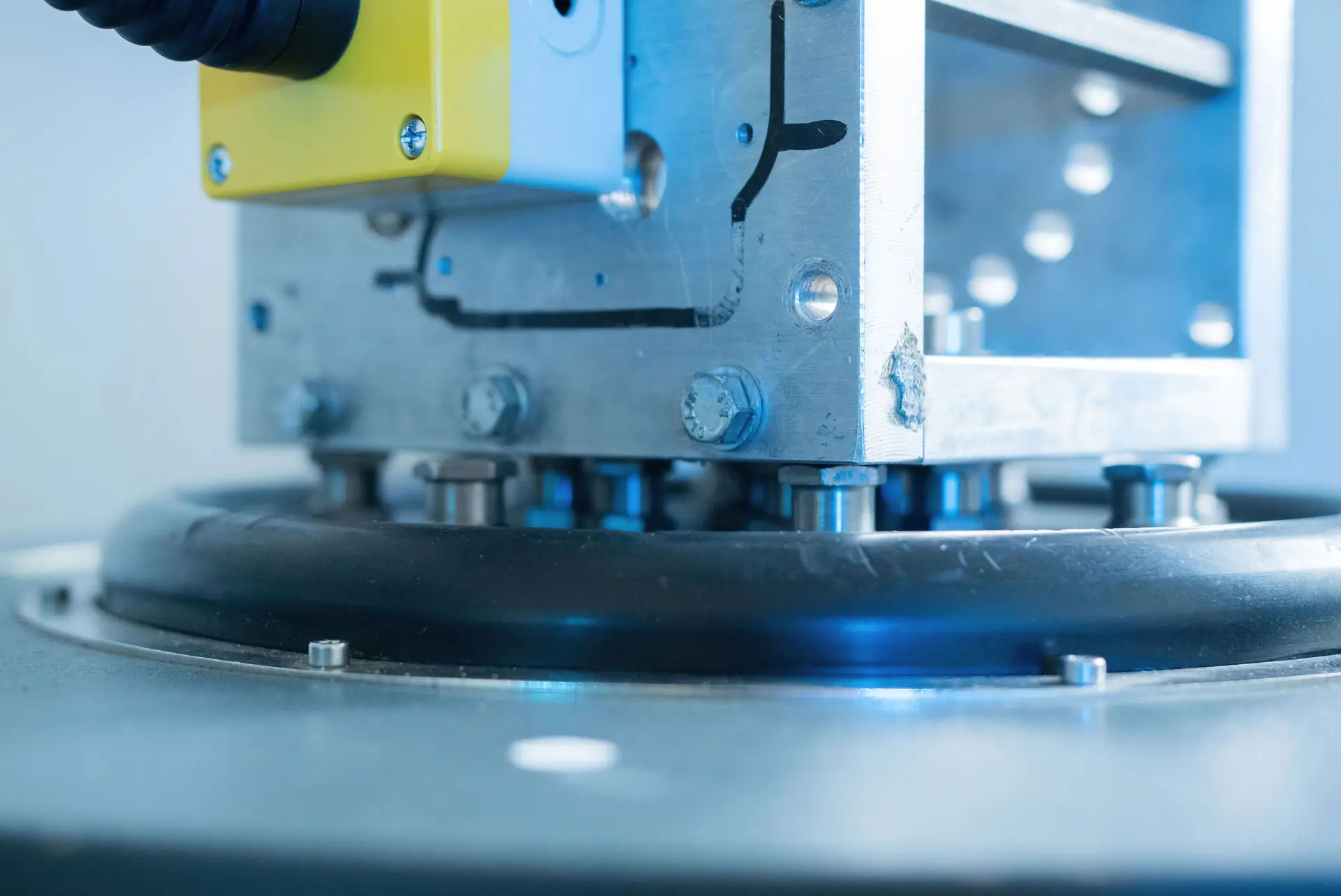
A concrete example of the importance of these tests concerns the transport of electrical devices. According to IEC 60068-2-64, it is essential to verify that vibrations do not cause accidental tightening of screw terminals. This phenomenon can create significant problems for installers, who are forced to manually reopen the terminals to connect the cables. Laboratory simulation helps prevent of such logistical and functional issues.
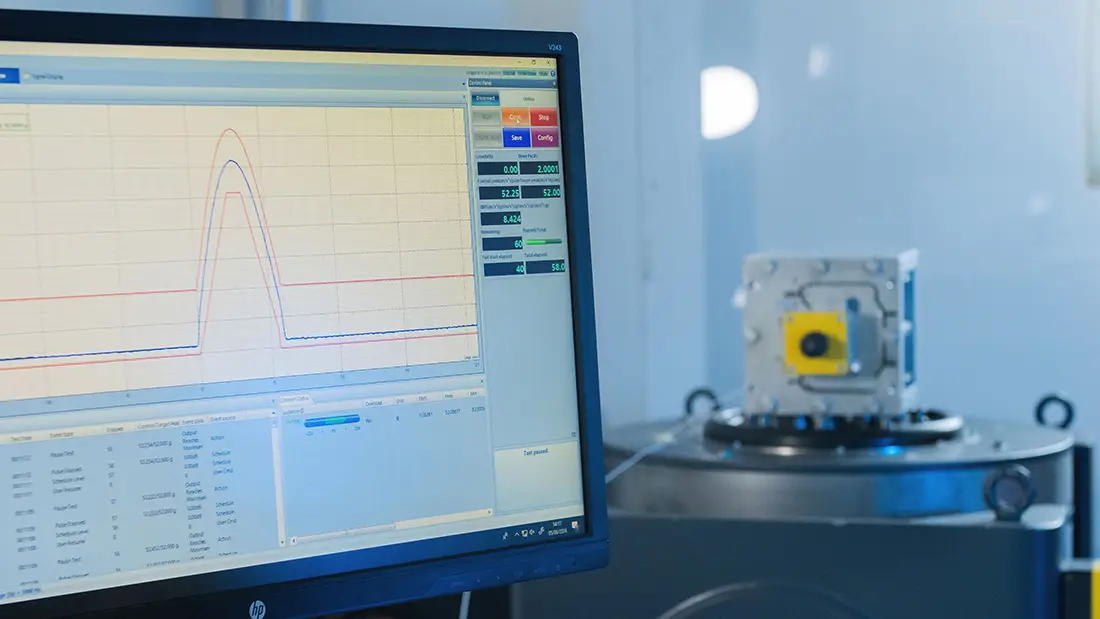
Each device has specific requirements based on its final operating environment. INTEK offers customized vibration testing to simulate the mechanical stresses experienced during:
Precise measurement data provide a comprehensive basis for improving durability and reduce the risk of operational failures.
In addition to environmental and mechanical testing, the INTEK laboratory is equipped to perform radio testing on industrial devices and everyday objects.
Sinusoidal vibrations simulate stresses at constant frequencies (typical of rotating motors), while random vibrations reproduce the complex and irregular stress typical of road transport or industrial applications.
Testing is essential in the automotive, aerospace, railway, maritime, and electronics industries to ensure that devices can withstand continuous vibrations and impacts during operation.
Download the service brochure Vibration Testing di INTEK.
INTEK supports the customer at every stage of the process: preliminary analysis, selection of standards, development of the test plan, execution of tests, and preparation of technical documentation.
Contact us for technical advice or a customized quote.