
ATEX testing is a fundamental step in ensuring the safety, quality, and compliance of products intended for use in potentially explosive atmospheres. Directive 2014/34/EU establishes the essential safety requirements for electrical and non-electrical equipment installed in environments containing combustible gases, vapors, or dust.
The goal of ATEX testing is to verify that devices do not constitute a source of ignition and maintain safe performance even under critical conditions.
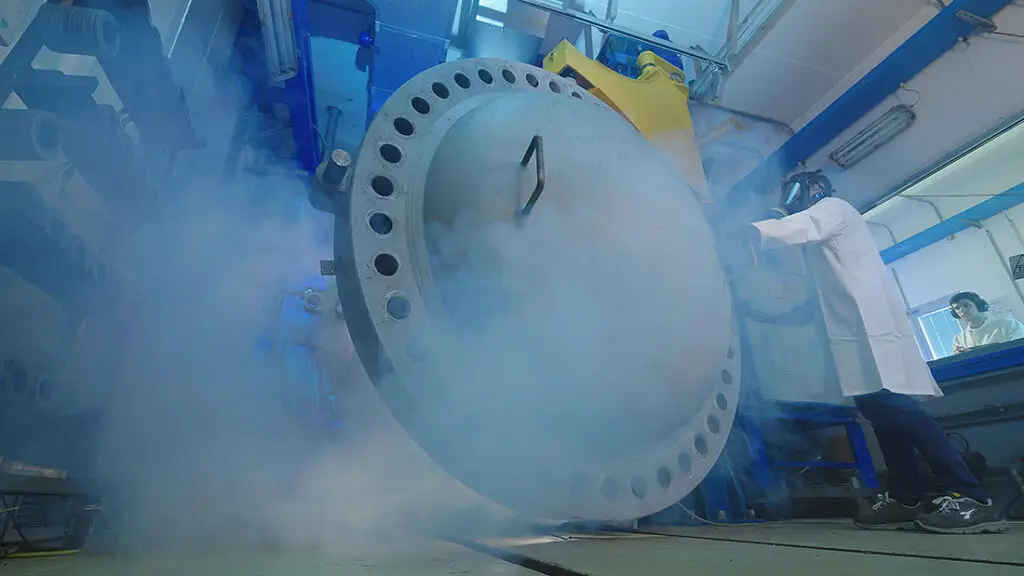
INTEK, an independent laboratory active since 1994, offers a comprehensive service for ATEX compliance verification: regulatory support, test planning, testing in an ACCREDIA accredited laboratory, and assistance with technical documentation. Its advanced infrastructure and the technical team’s decades of experience make INTEK a preferred technical partner for companies operating in the industrial, oil & gas, sensor, automation, machinery, and electrical/electronic components sectors.
Directive 2014/34/EU regulates the design and manufacture of equipment intended for use in potentially explosive atmospheres. It applies to:
The use of the European harmonized standards of the EN IEC 60079 and EN ISO 80079 series allows for a presumption of conformity with the requirements of the Directive.

Electrical equipment

Non-electrical (mechanical) equipment

Protective systems

Control and regulation devices
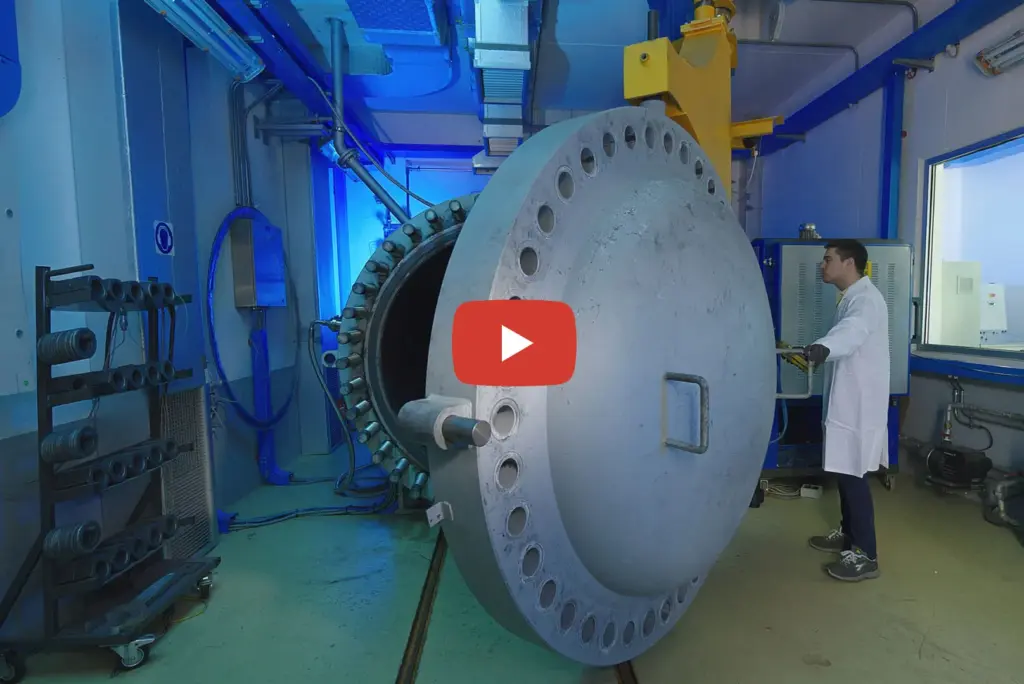
ATEX certification is based on a process that includes technical analysis, the performance of the required tests, and evaluation of documentation requirements. Depending on the product category and risk level, procedures may or may not involve a Notified Body.
ATEX testing allows for the identification of any design or manufacturing defects before the product is placed on the market.
ATEX testing is based on a structured set of harmonized standards that define requirements, test methods, and safety criteria for electrical and mechanical equipment intended for use in explosive atmospheres. These standards ensure technical uniformity and presumption of conformity with Directive 2014/34/EU. The following are the main standards applied by INTEK.
The main harmonized standards applied by INTEK include:
Below is a complete table of all standards we handle and the corresponding tests that can be performed in the laboratory. The table allows you to quickly filter standards by code or test type.
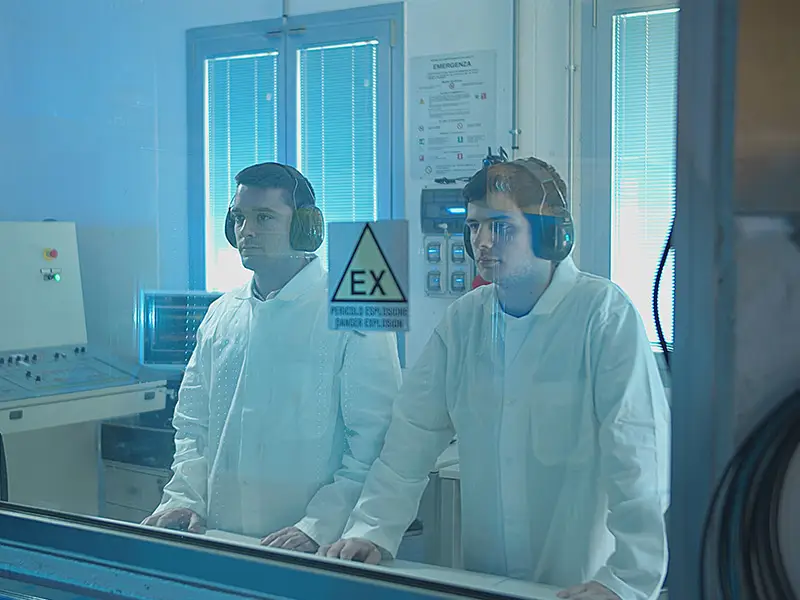
| Reference standard | Test Description |
|---|---|
| ISO IEC EN 80079-36 | Apparecchi non elettrici destinati ad essere utilizzati in atmosfere potenzialmente esplosive - Parte 1: metodo di base e requisiti |
| ISO IEC EN 80079-37 | Apparecchi non elettrici destinati ad essere utilizzati in atmosfere potenzialmente esplosive - Parte 2: metodi di protezione |
| IEC 60079-0 ed 6 e 7 EN 60079-0 ed 2007 e 2012(A11) | Resistance to impact |
| IEC 60079-0 ed 6 e 7 EN 60079-0 ed 2007 e 2012(A11) | Drop Test |
| IEC 60079-0 ed 6 e 7 EN 60079-0 ed 2007 e 2012(A11) | Degree of Protection (IP) by enclosure |
| IEC 60079-0 ed 6 e 7 EN 60079-0 ed 2007 e 2012(A11) | Temperature Tests |
| IEC 60079-0 ed 6 e 7 EN 60079-0 ed 2007 e 2012(A11) | Thermal shock test |
| IEC 60079-0 ed 6 e 7 EN 60079-0 ed 2007 e 2012(A11) | Misure di capacità |
| IEC 60079-0 ed 6 e 7 EN 60079-0 ed 2007 e 2012(A11) | Thermal Endurance tests |
| IEC 60079-0 ed 6 e 7 EN 60079-0 ed 2007 e 2012(A11) | Earth continuity |
| IEC 60079-1 ed 6 e 7 EN 60079-1 ed 2007 e 2014 | Explosion tests |
| IEC 60079-1 ed 6 e 7 EN 60079-1 ed 2007 e 2014 | Overpressure tests/sealing tests |
| IEC 60079-7 ed 4 e 5 EN 60079-7 ed 2007 e 2015 | Degree of Protection (IP) by enclosure |
| IEC 60079-7 ed 4 e 5 EN 60079-7 ed 2007 e 2015 | Dielectric strength |
| IEC 60079-7 ed 4 e 5 EN 60079-7 ed 2007 e 2015 | Luminaires – impact and drop tests |
| IEC 60079-7 ed 4 e 5 EN 60079-7 ed 2007 e 2015 | Rectification test |
| IEC 60079-7 ed 4 e 5 EN 60079-7 ed 2007 e 2015 | Inoperative lamp test |
| IEC 60079-7 ed 4 e 5 EN 60079-7 ed 2007 e 2015 | Abnormal operations of ballasts for discharge lamps |
| IEC 60079-7 ed 4 e 5 EN 60079-7 ed 2007 e 2015 | Abnormal operation of luminaires with tubular fluorescent lamps |
| IEC 60079-7 ed 4 e 5 EN 60079-7 ed 2007 e 2015 | Test for wiring of luminaires subject to high-voltage impulses from ignitors |
| IEC 60079-7 ed 4 e 5 EN 60079-7 ed 2007 e 2015 | General purpose connection and junction boxes |
| IEC 60079-7 ed 4 e 5 EN 60079-7 ed 2007 e 2015 | Resistance heating devices and resistance heating units |
| IEC 60079-7 ed 4 e 5 EN 60079-7 ed 2007 e 2015 | Terminal insulating material tests |
| IEC 60079-11 ed 6 EN 60079-11 ed 2012 | Temperature tests |
| IEC 60079-11 ed 6 EN 60079-11 ed 2012 | Dielectric strength tests |
| IEC 60079-11 ed 6 EN 60079-11 ed 2012 | Mechanical tests (§10.6.1) |
| IEC 60079-11 ed 6 EN 60079-11 ed 2012 | Mechanical tests (§10.6.2) |
| IEC 60079-11 ed 6 EN 60079-11 ed 2012 | Cable pull test |
| IEC 60079-15 ed 4 EN 60079-15 ed 2010 | Temperatures |
| IEC 60079-15 ed 4 EN 60079-15 ed 2010 | Minimum degree of protection |
| IEC 60079-15 ed 4 EN 60079-15 ed 2010 | Clearances, creepage distances and separations - Comparative tracking index (CTI) |
| IEC 60079-15 ed 4 e 5 EN 60079-15 ed 2010 | Electric strength |
| IEC 60079-15 ed 4 EN 60079-15 ed 2010 | Supplementary requirements for non-sparking luminaires - Thermal test (normal operation) |
| IEC 60079-15 ed 4 EN 60079-15 ed 2010 | Supplementary requirements for non-sparking luminaires - Thermal test (abnormal conditions) |
| IEC 60079-15 ed 4 EN 60079-15 ed 2010 | Supplementary requirements for non-sparking luminaires - Surface temperatures |
| IEC 60079-15 ed 4 EN 60079-15 ed 2010 | Supplementary requirements for non-sparking luminaires - Resistance to dust and moisture |
| IEC 60079-15 ed 4 EN 60079-15 ed 2010 | Insulation resistance and electric strength |
| IEC 60079-15 ed 4 EN 60079-15 ed 2010 | Thermal endurance to heat |
| IEC 60079-15 ed 4 e 5 EN 60079-15 ed 2010 | Tests for enclosed break devices and non incendive components |
| IEC 60079-15 ed 4 e 5 EN 60079-15 ed 2010 | Tests for sealed devices Conditioning |
| IEC 60079-15 ed 4 e 5 EN 60079-15 ed 2010 | Tests for sealed devices Voltage test |
| IEC 60079-15 ed 4 e 5 EN 60079-15 ed 2010 | Tests for sealed devices Leakeage test on sealed devices (method 1) |
| IEC 60079-15 ed 4 EN 60079-15 ed 2010 | Dielectric withstand test |
| IEC 60079-15 ed 4 EN 60079-15 ed 2010 | Test for sealed devices for luminaries (method A) |
| IEC 60079-15 ed 4 e 5 EN 60079-15 ed 2010 | Type test requirements for restricted-breathing enclosures |
| IEC 60079-15 ed 4 EN 60079-15 ed 2010 | Test for wiring of luminaires subject to high-voltage impulses from ignitors |
| IEC 60079-18 ed 4 EN 60079-18 ed 2009 e 2015 | Tests on the compound - Water absorption test |
| IEC 60079-18 ed 4 EN 60079-18 ed 2009 e 2015 | Tests on the compound - Dielectric strength test |
| IEC 60079-18 ed 4 EN 60079-18 ed 2009 e 2015 | Tests on the apparatus - Maximum temperature |
| IEC 60079-18 ed 4 EN 60079-18 ed 2009 e 2015 | Tests on the apparatus - Thermal endurance test |
| IEC 60079-18 ed 4 EN 60079-18 ed 2009 e 2015 | Tests on the apparatus - Dielectric strength test |
| IEC 60079-18 ed 4 EN 60079-18 ed 2009 e 2015 | Tests on the apparatus - Cable pull tes |
| IEC 60079-18 ed 4 EN 60079-18 ed 2009 e 2015 | Tests on the apparatus - Pressure test for Group I and Group II electrical equipment |
| IEC 60079-18 ed 4 EN 60079-18 ed 2009 e 2015 | Tests on the apparatus - Test for resettable thermal protective device |
| IEC 60079-18 ed 4 EN 60079-18 ed 2009 e 2015 | Tests on the apparatus - Sealing test for built-in protective devices |
| IEC 60079-31 ed 2 EN 60079-31 ed 2014 | Type tests for dust exclusion by enclosures |
| IEC 60079-31 ed 2 EN 60079-31 ed 2014 | Thermal tests |
| IEC 60079-31 ed 2 EN 60079-31 ed 2014 | Pressure test |
| CSA-C22.2 N° 60079-0 | Explosive atmospheres Part 0:Equipment – general use |
| CSA-C22.2 N° 60079-1 | Explosive atmospheres Part 1:Equipment – protection by Flameproof Enclosures “d” |
| CSA-C22.2 N° 60079-15 | Electrical apparatus for Explosive gas Atmospheres – Part 15: Construction, test and marking of type of Protection “n” Electrical apparatus |
| CSA-C22.2 N° 60079-18 | Explosive atmospheres Part 18:Equipment – protection by encapsulation “m” |
| CSA-C22.2 N° 60079-31 | Explosive atmospheres Part 31:Equipment – dust Ignition Protection by Enclosure “t” |
| CSA-C22.2 N° 60079-7 | Explosive atmospheres Part 7:Equipment Protection by increased safety “e” |
| CSA-C22.2 N° 60079-11 | Explosive Atmospheres – Part 11: Equipment protection by intrinsic safety “i” |
| CSA-C22.2 N° 30 | Explosion-proof enclosures for Use in Class I Hazardous Locations |
| ISA-12.12.01/C CSA-C22.2 N° 213 | Nonincendive Electrical Equipment for Use in Class I and II, Division 2 and Class III, Division 1 and 2 Hazardous (classified) Location |
| UL 674 | Electric Motors and Generators for Use in Division 1 hazardous (Classified) Locations |
| UL 1203 | Explosion-proof and Dust-Ignition-Proof Electrical Equipment for Use in Hazardous (Classified) Location |
| UL 60079-0 | Explosive Atmosphers – Part 0:Equipment - General Requirements |
| UL 60079-1 | Explosive Atmosphers – Part 1:Equipment protection by Flameproof Enclosures “d” |
| UL60079-11 | Explosive Atmospheres – Part 11: Equipment protected by intrinsic safety “i” |
| UL 60079-15 | Electrical Apparatus for Explosive Gas Atmospheres – Part 15: Construction, Tests and Marking of Type of protection “n” Electrical apparatus |
| UL 60079-18 | Explosive atmospheres – Part 18: Equipment of protection by encapsulation “m” |
| UL 60079-31 | Explosive atmospheres – Part 31: Equipment Dust ignition Protection by Enclosures “t” |
| UL 60079-7 | Explosive atmospheres – Part 7: Equipment Protection by increased safety“e” |
This section describes the facilities, equipment, instruments, and technologies used to perform ATEX tests within the INTEK laboratory, highlighting the technical expertise and attention to safety that characterize every testing activity.
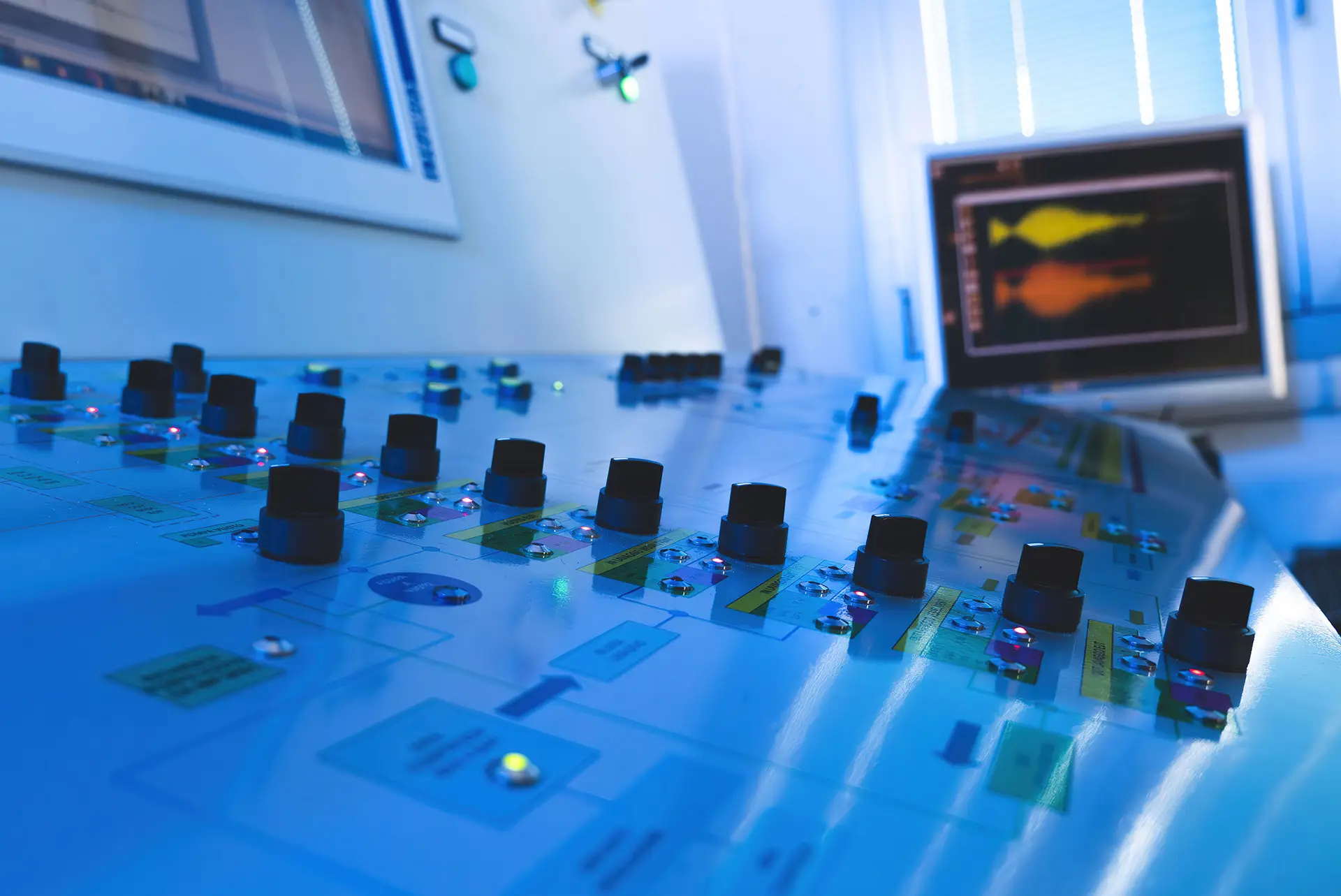
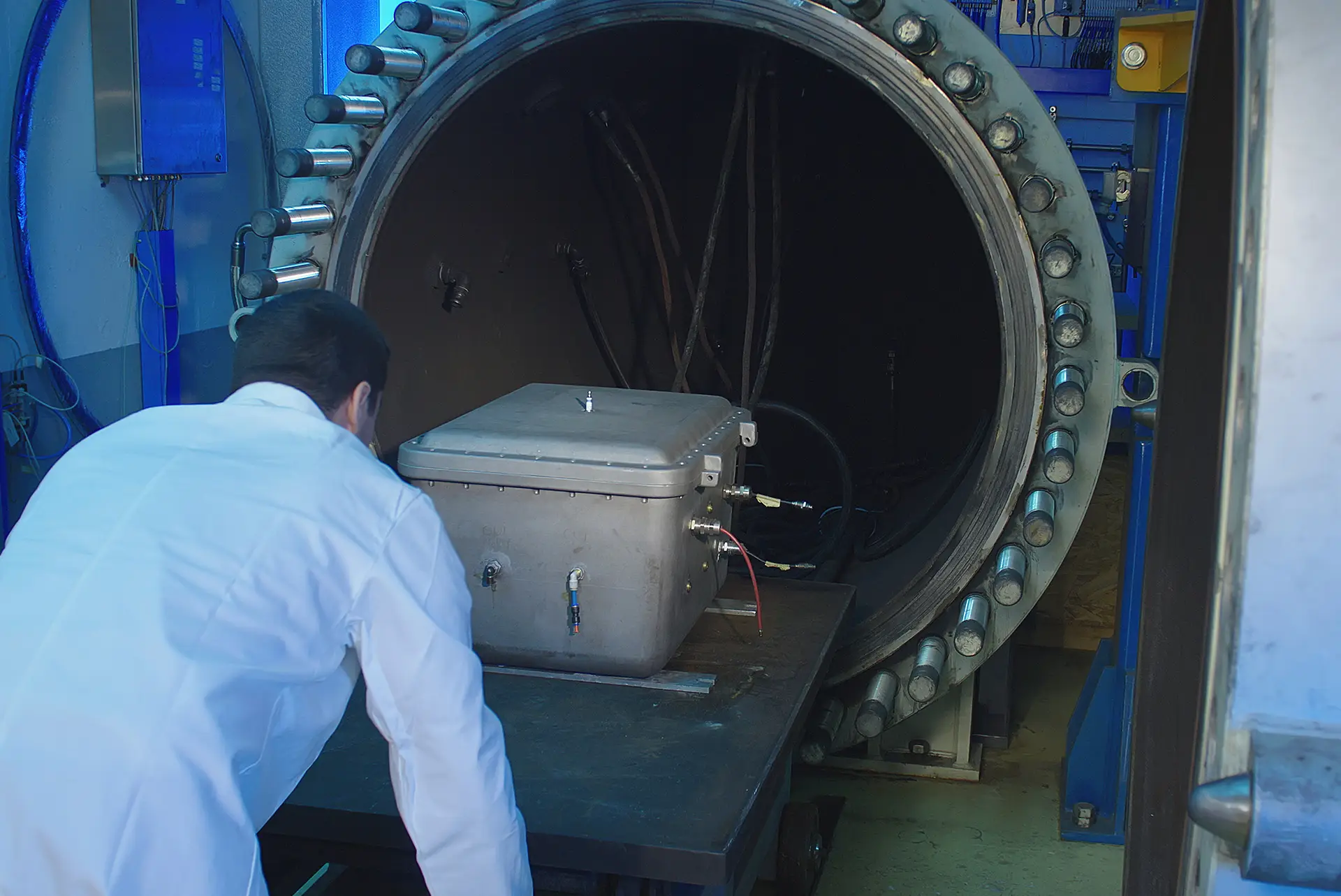
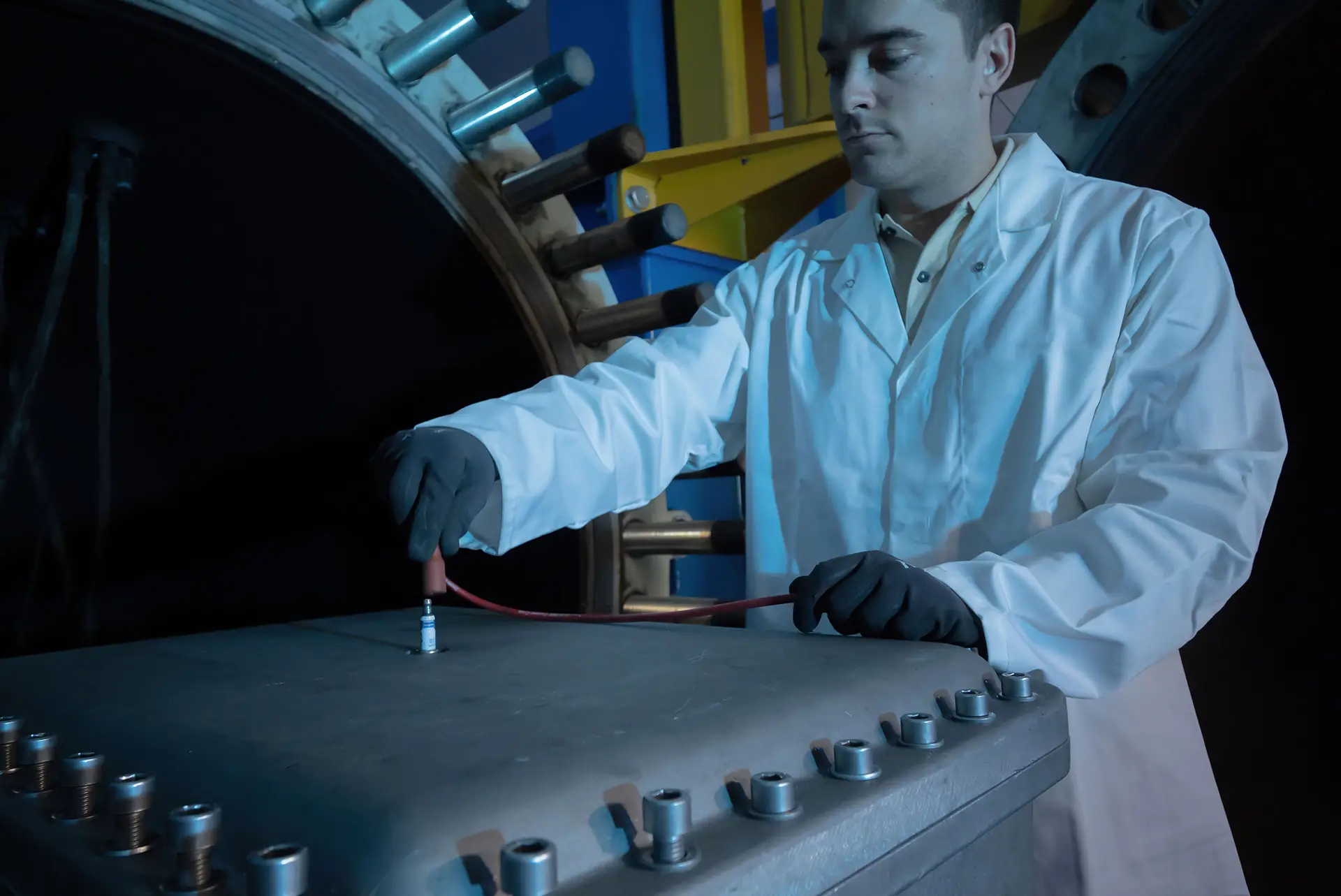
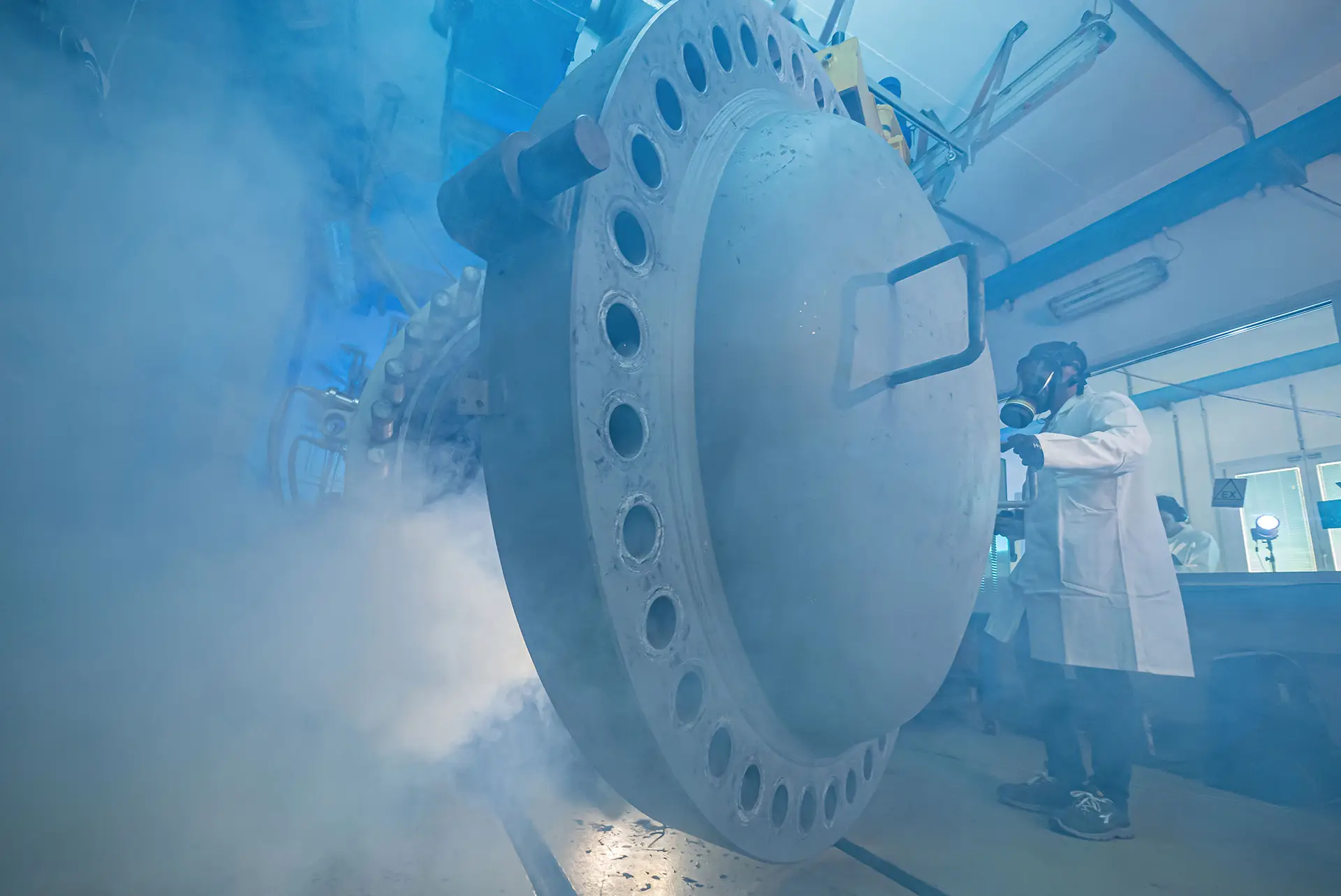
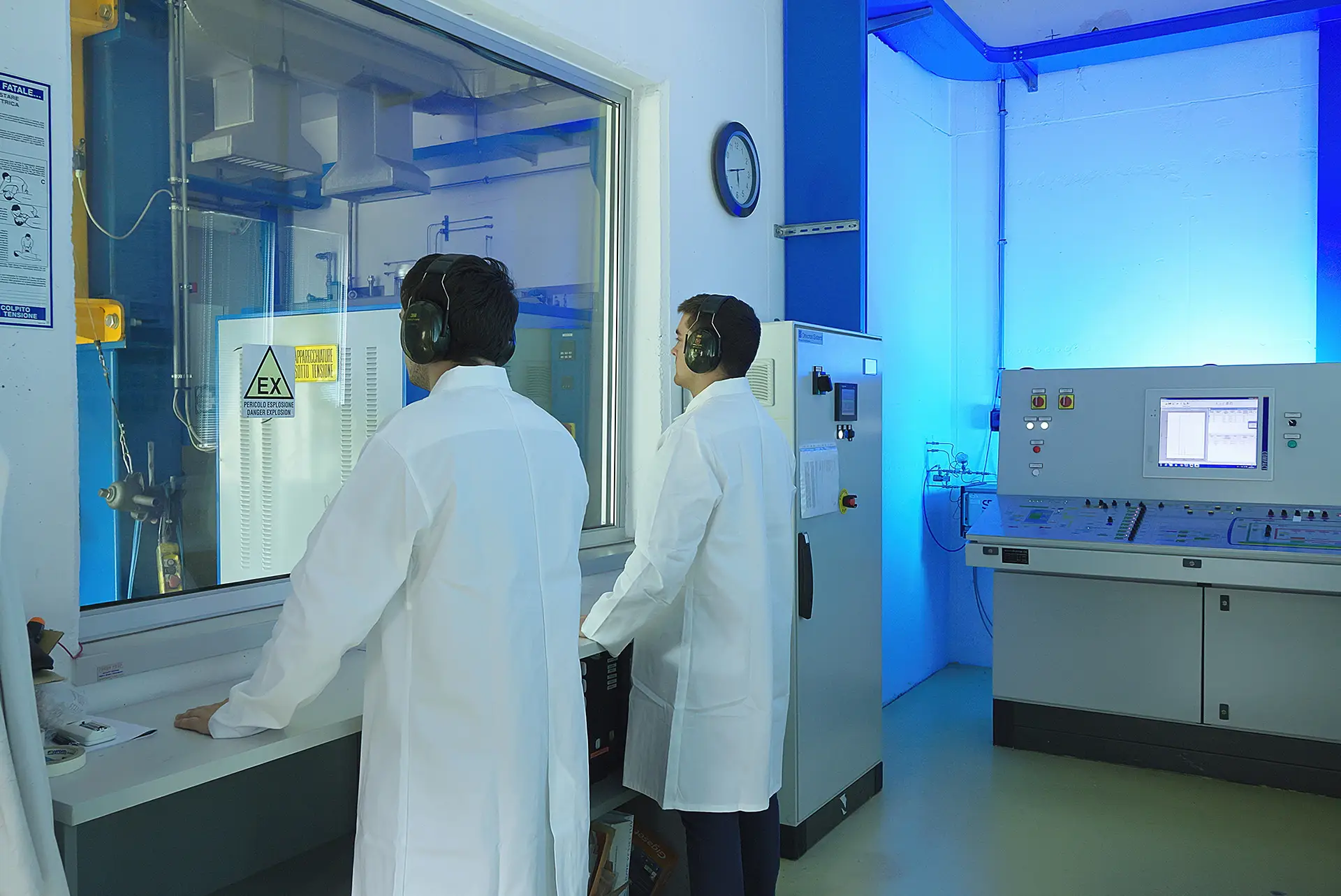
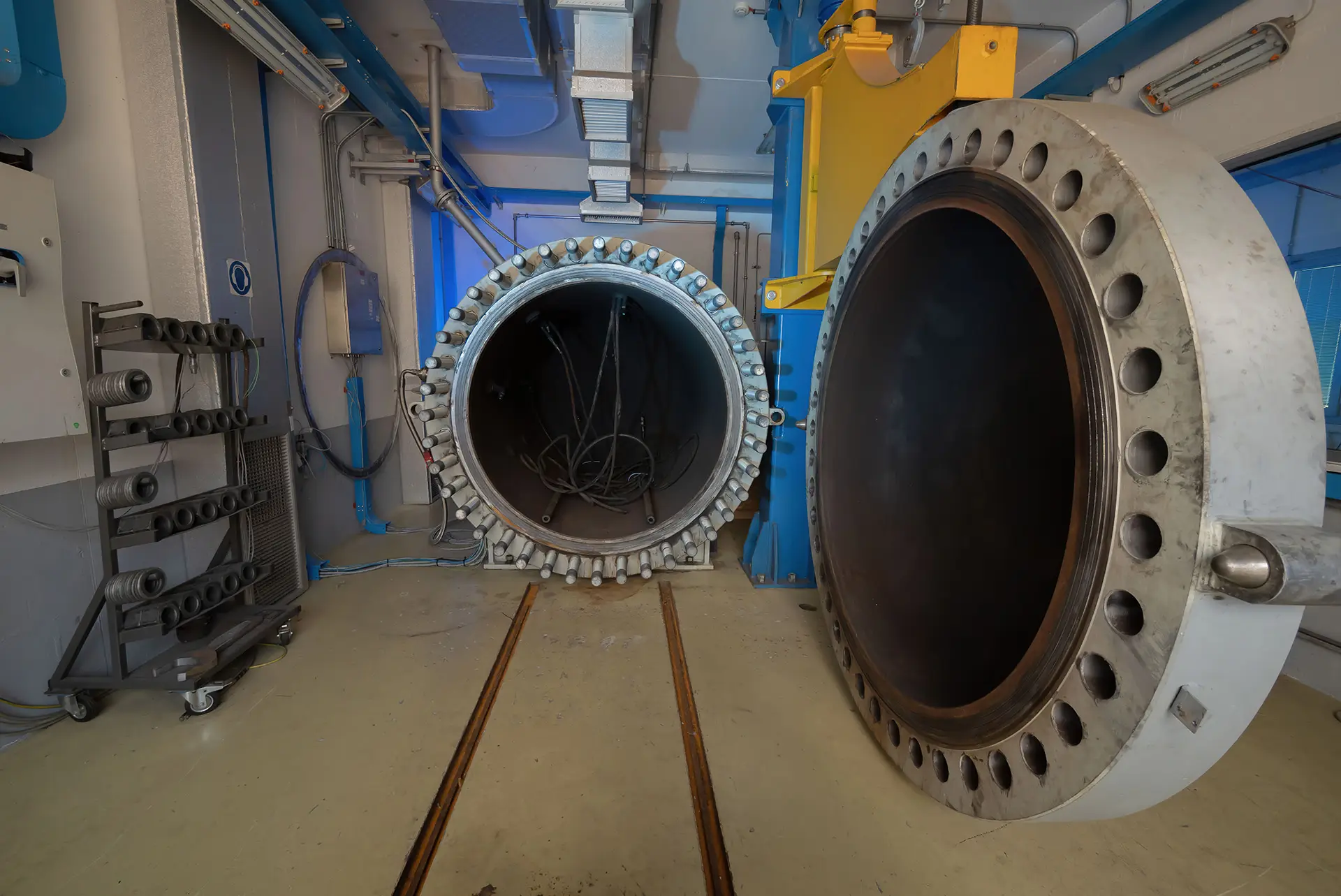
The INTEK ATEX Laboratory is designed to perform advanced testing on electrical and mechanical equipment under controlled conditions.
INTEK is accredited by ACCREDIA for ATEX testing in accordance with Harmonized Standards and can also perform tests according to the <b<IEC 60079 series for the IECEx scheme.
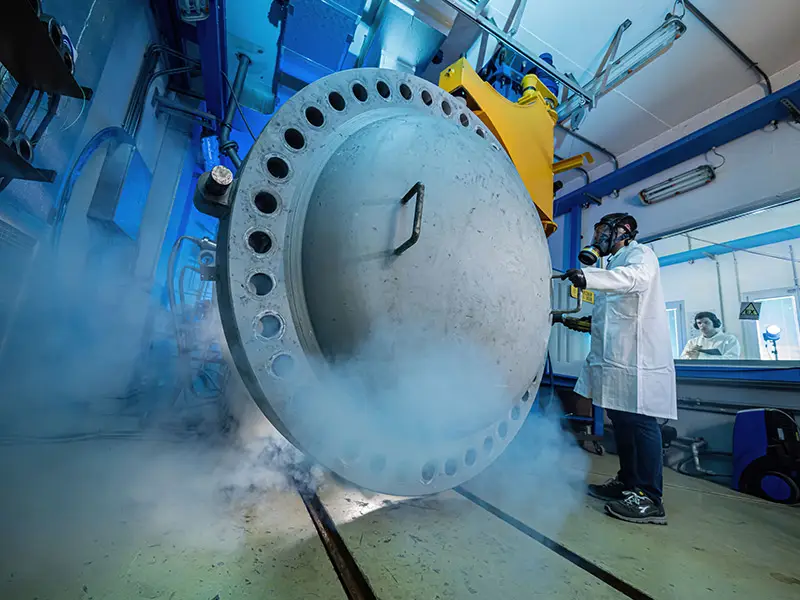
There are several conformity systems for equipment intended for use in explosive atmospheres, each with specific scopes, requirements, and geographical validity. Understanding these differences is essential for selecting the appropriate compliance route for the target markets. INTEK supports clients in selecting the most suitable scheme and in performing the required tests.
INTEK offers testing in accordance with applicable IEC standards, including those used for international schemes. In addition, to support a comprehensive assessment of device electrical safety, INTEK also performs short-circuit tests.
System | Scope | When to use |
ATEX 2014/34/UE | Europe | Mandatory for products intended for use in areas with a risk of explosion within the EU |
IECEx | International | For companies exporting outside Europe |
UL/CSA | North America | For products intended for the U.S. and Canada |
When it may constitute an ignition source or when it is intended for installation in a potentially explosive atmosphere.
Yes. This includes all equipment that contains potential ignition sources, including non-electrical ones.
It depends on the product category: for some categories, it is mandatory; for others, self-certification is sufficient.
Primarily the EN IEC 60079</b series. EN IEC 60079.
Explosion, overpressure, temperature, electrical, IP, and mechanical tests, in accordance with the applicable standard.
Download the service brochure ATEX Testing for Products in Explosion-Hazardous Environments by INTEK.
INTEK supports the customer at every stage of the process: preliminary analysis, selection of standards, development of the test plan, execution of tests, and preparation of technical documentation.
Contact us for technical advice or a customized quote.